European food container held at Japanese port under Japan MHLW import inspection, with rejected import notification document

Japan MHLW Food Import Rejected: 7 Reasons European Shipments Get Held (2026)

Japan MHLW food import rejected cases are rarer than most exporters think — but when they happen, the cost is real. A Spanish olive oil client had a container held at Yokohama for three weeks under Japan MHLW import procedures. The reason was not the oil. It was not the label. It was an additive…
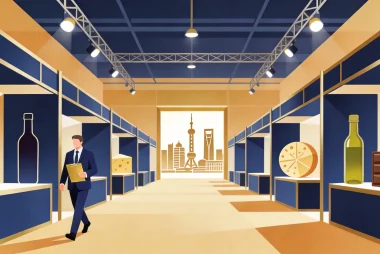

European food exhibitor entering FHC Shanghai 2026 with a pre-show checklist, SNIEC exhibition hall isometricEuropean food exhibitor entering FHC Shanghai 2026 with a pre-show checklist, SNIEC exhibition hall isometric

FHC Shanghai 2026: Pre-Show Checklist for European Exporters

An Italian olive oil client spent €12,000 on a booth at FHC Shanghai 2026 — or rather, at the previous November edition. They came home with two qualified buyer leads. The booth fee was not the problem. The problem was everything that did not happen before the show opened: samples stuck in customs, English-only business cards with…

Shipping container at Chinese port with GB 2760 compliance document, illustrating pre-shipment additive check

China GB 2760: How to Check If Your Food Additive Is Allowed for Import

A Spanish olive oil client of ours had a container held at Yantian Port for six weeks. The reason was not the oil. It was TBHQ — an antioxidant permitted in the EU at certain levels, but subject to specific limits and food category restrictions under China GB 2760, the national food additive standard. The…

Food import container at Korean port with returned MFDS registration document, illustrating common rejection reasons

Korea MFDS Registration: 5 Reasons Food Imports Get Rejected

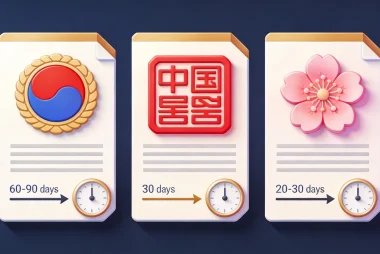
Korea MFDS registration is one of the first hurdles food exporters face when shipping into South Korea — and applications get returned more often than most brands expect. A chocolate client’s MFDS application was returned three times. Each time, the reason was different. The first was a name mismatch between the business license and the…

Stack of trade show business cards diminishing into a small number of meeting calls, illustrating follow-up conversion

Trade Show Follow-Up 2026: Why 80 Cards Become 5 Calls (And How to Fix It)

You collected 80 business cards at SIAL Paris. Three weeks later, fewer than five have turned into calls. This is not a lead quality problem. It is a timing and follow-up problem. We have helped food and beverage exporters through six major trade shows this year — SIAL Paris, Anuga, ProWein, FHA, Vinexpo and Gulfood…

Five common outreach mistakes European food exporters make when emailing Asian food importers — generic blasts, catalogue attachments, GACC claims, poor research and missing contact channels

Email Asian Food Importers: 5 Mistakes to Avoid

Email Asian food importers the wrong way, and you get deleted in eight seconds. I am starting outreach to Asian importers for European food brands this week. Before I send the first email, I want to share something from the other side of the table. I have watched European exporters pitch Asian importers for years…

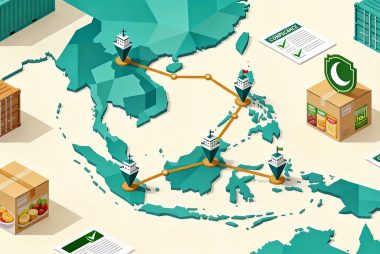
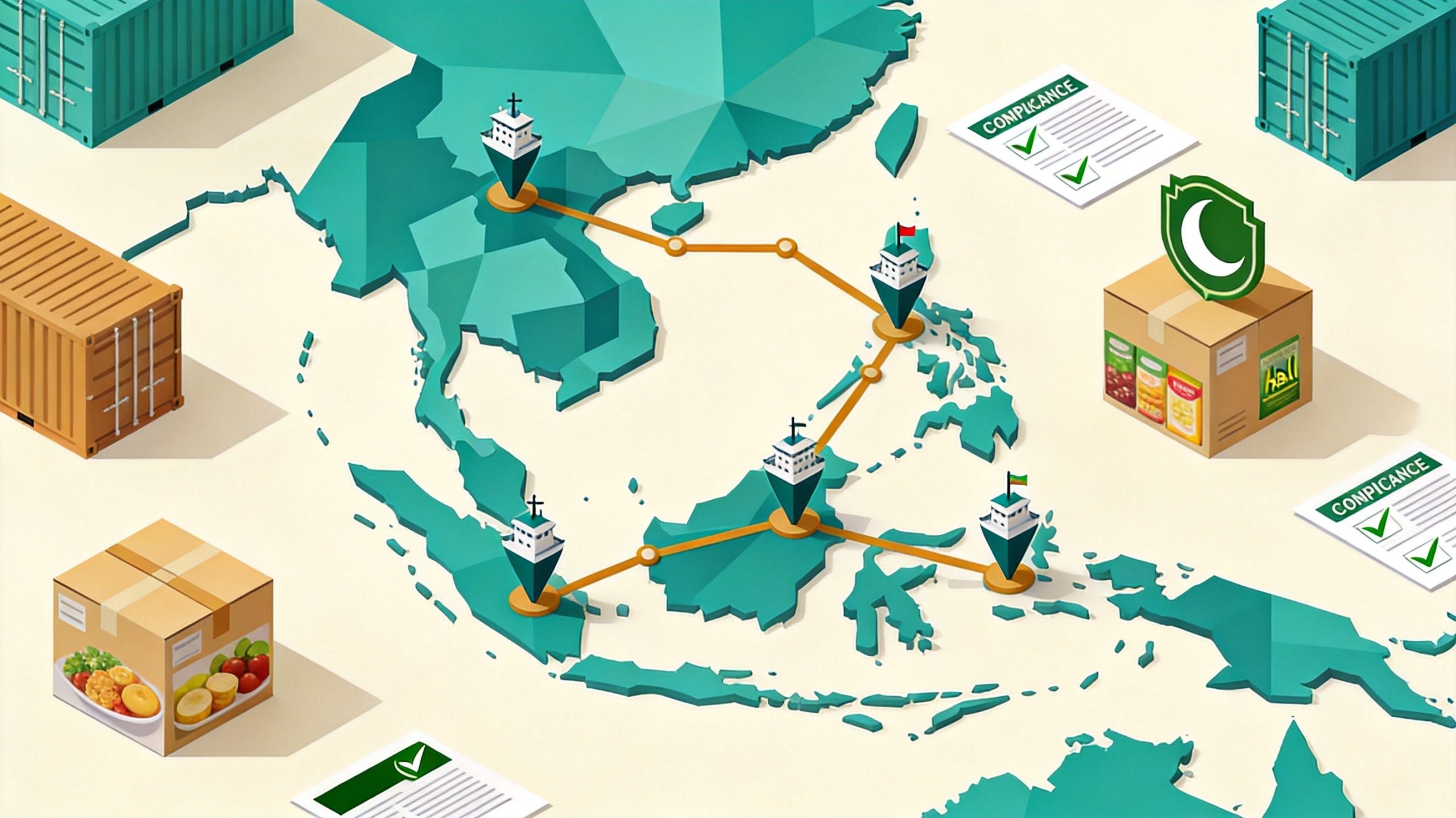
Isometric illustration of Southeast Asian trade routes with food shipping containers and compliance documents, representing the six-country food export compliance roadmap

Exporting Food to Southeast Asia: A 6-Country Compliance Roadmap

Export food to Southeast Asia, and you quickly discover it is not one market — it is six major ones. Singapore, Thailand, Vietnam, Malaysia, Indonesia and the Philippines each run their own regulator, registration system, labelling rules and language requirements. What is legal in one can get your shipment destroyed in the next. But under…

China Food Safety Law revision 2026 impacting imported food and cross-border e-commerce"

China Food Safety Law Revision 2026: What Foreign Food Exporters Face

China Food Safety Law revision landed on 10 October 2026, when the State Administration for Market Regulation (SAMR) released a draft for public comment. This is the biggest overhaul since the 2015 rewrite — 37 new articles, 93 revised, and a framework that will reshape how food enters China for the rest of the decade.…

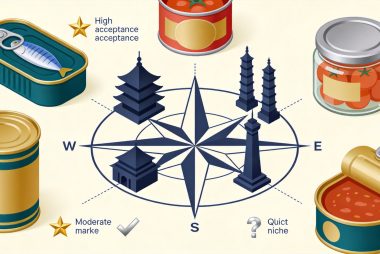
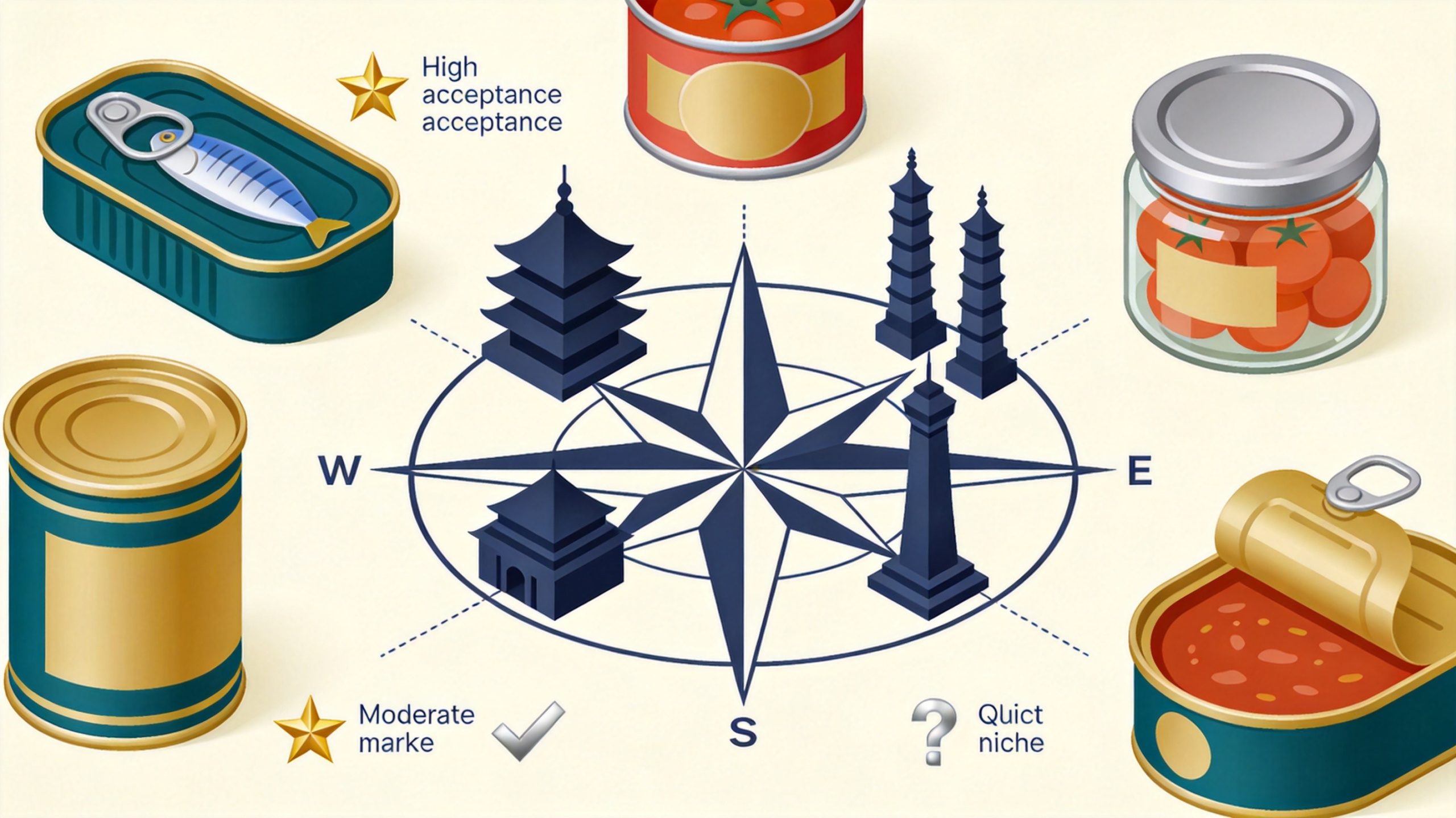
Isometric illustration of European canned food tins and jars arranged around a compass pointing to Asian markets, showing different acceptance levels across Japan, Hong Kong, Korea and China.

Canned Food in Asia: Where European Conservas, Confit and Tinned Seafood Actually Sell

Canned food in Asia is not one market. It is several — and the reception differs sharply by country. A Portuguese sardine in olive oil, a French duck confit, a Spanish tuna belly, an Italian tomato passata — each carries a different meaning depending on where it lands. European canned and preserved food sells unevenly…

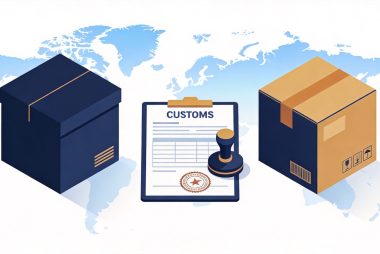
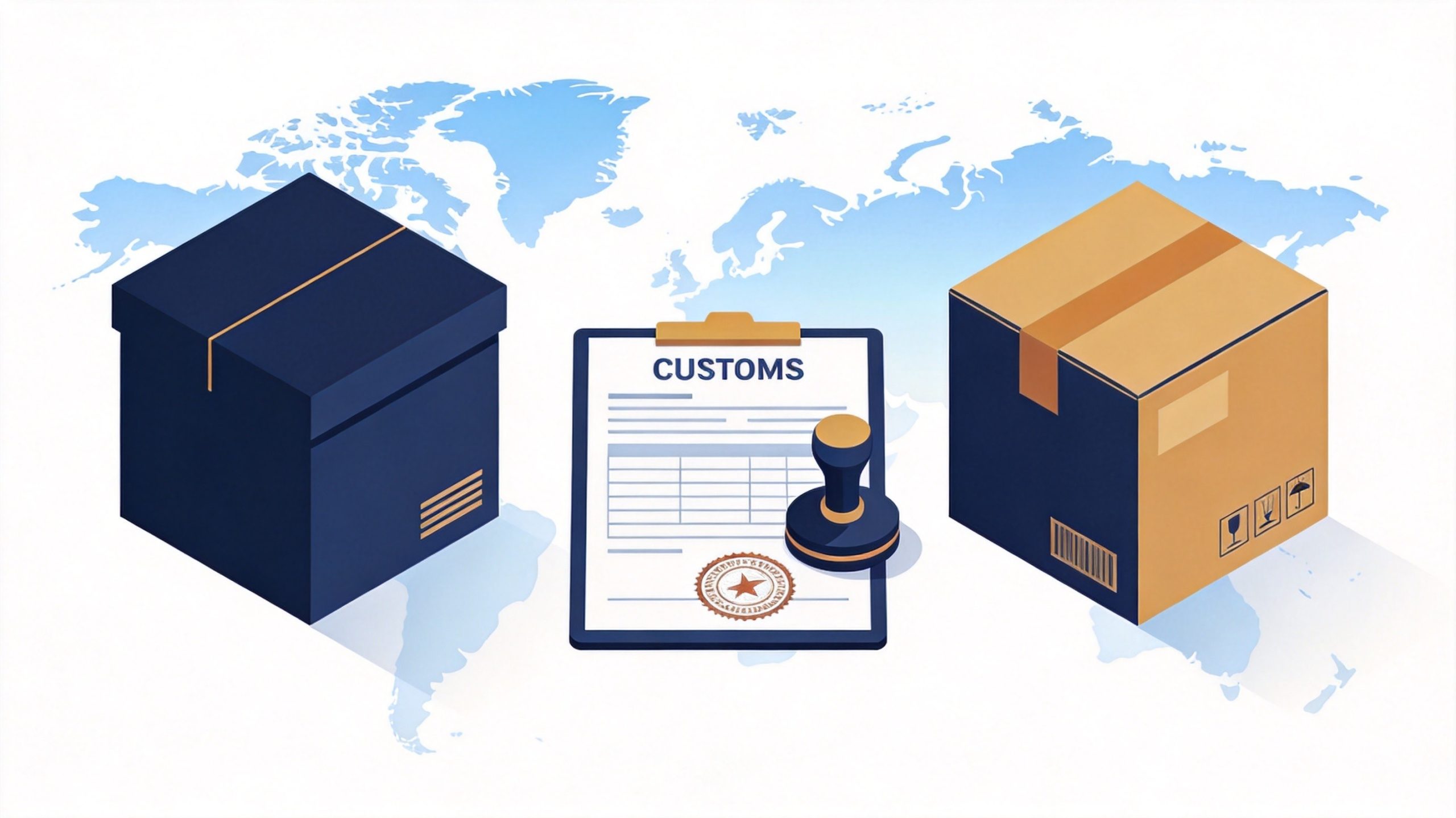
Two routes for sending food samples to Asia — gift parcel and commercial sample documentatio

Send Food Samples to Asia: Avoid These Customs Mistakes

SIAL Paris opens next week. Gulfood wrapped up in February. And right now, across Europe, exporters are shoving sample boxes into courier envelopes headed for Asia. Most of them will clear. Some will not — and the ones that get held almost always fail for the same reasons. Not because the exporter did something illegal,…

© 2026 Specit Consulting. All rights reserved. Unauthorized reproduction is prohibited.
Specit Consulting
On-Ground Intelligence for
Asia Market Entry
© 2026 All rights reserved.

Contact

info@specitconsulting.com

+86 150 2128 9465 (WhatsApp)

1F, B3, No.2850 Lian Xi Road
Jin Ze Town, Qing Pu District
Shanghai, China 201722

© 2026 Specit Consulting. All rights reserved.
Chat on WhatsApp
WhatsApp