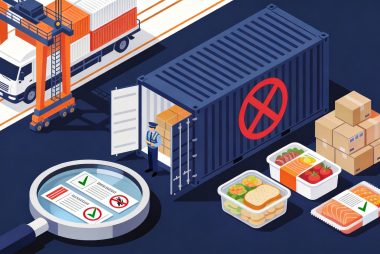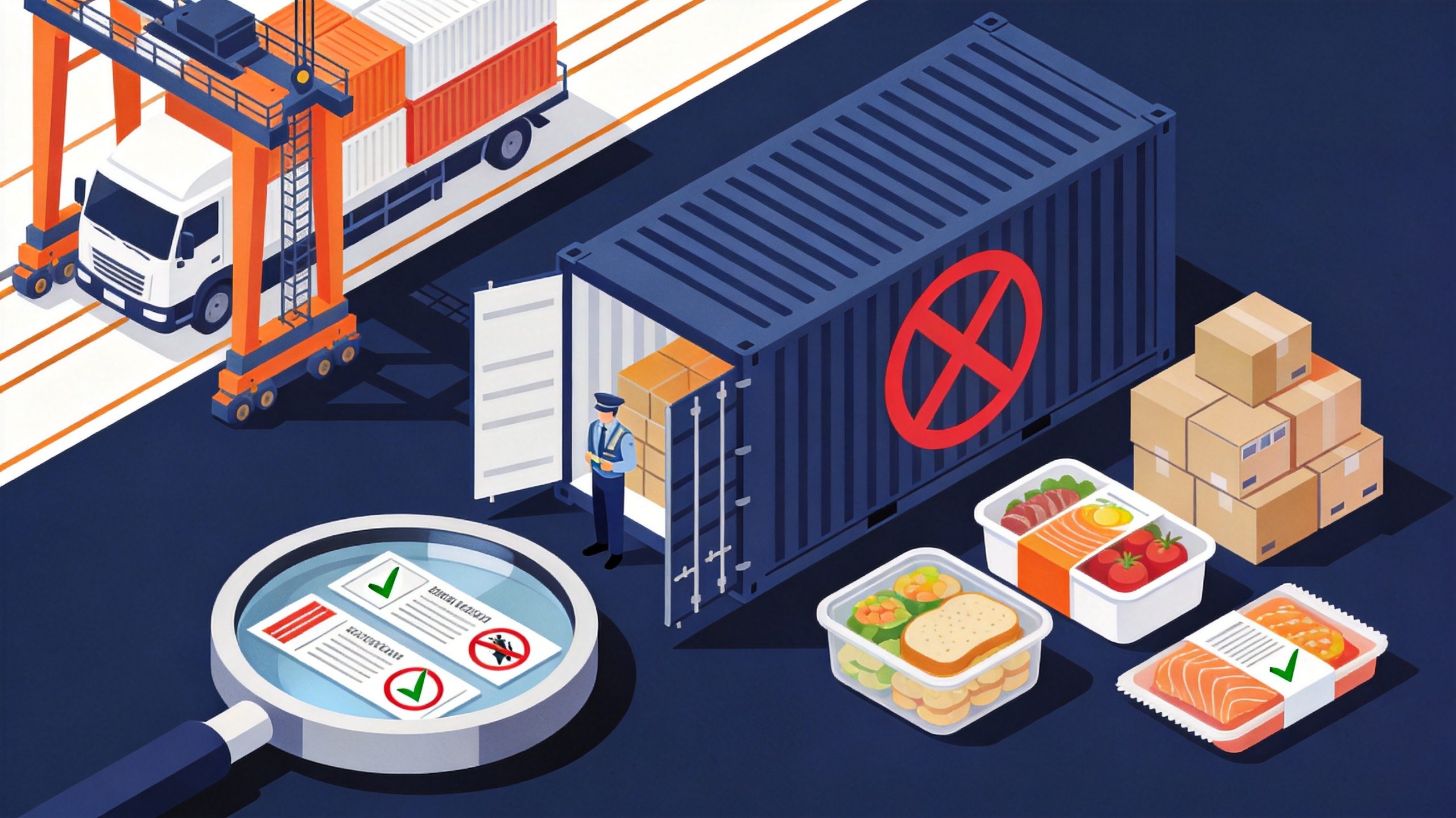
Korean port customs, MFDS documents and an import container — the visual anchor for a Korea food import MFDS checklist.

Korea Food Import MFDS Checklist for Small Producers

Korea is worth the effort. Coupang’s premium grocery vertical, SSG Food Market, Lotte and Hyundai department stores, and a fast-growing dessert and café culture make it one of the most active premium food markets in North Asia. Korean consumers value premium, organic, clean-label and design-forward products, and they will pay for quality. But small international…


Two paths in an Asian city — hotel kitchen one way, supermarket the other — HoReCa vs retail food Asia entry choice.

HoReCa vs Retail Food Asia: Choosing Your First Channel

The most common first-step mistake in Asia is going straight to retail. Retail looks attractive: volume, brand visibility, reorder predictability, retailer marketing support. But retail also means listing fees, high minimum order quantities, unsold-goods return policies, and Net 60–90 payment terms. For a small producer with limited cash flow and a brand no Asian consumer…

Container ship, port and Asian retail shelf — the stages of a first food shipment Asia timeline.

First Food Shipment Asia Timeline: Contract to Retail Shelf

The question every new exporter asks is: “We signed the importer — how long until we are on shelf?” The answer is not six weeks. It is not six months either. For most processed food and beverage products, the realistic first food shipment Asia timeline is four to nine months from signed contract to retail shelf. For…

Premium chocolate bars with Asian-market label drafts — chocolate import Asia labeling for Japan, Korea and China.

Chocolate Import Asia Labeling: Japan, Korea and China Guide

Chocolate is both an opportunity and a trap in North Asia. Japan’s gift culture, Korea’s premium growth, and Greater China’s specialty retail expansion create real demand. But chocolate is temperature-sensitive, additive-heavy, and subject to some of the strictest labeling rules in the region. A product that sells well in one market will not automatically clear…

Contract and warning marks on a desk — the red flags to check before signing with an Asian food importer.

How to Vet an Asian Food Importer: 10 Red Flags Before You Sign

Most first-time Asia launches fail not because the product is wrong, but because producers skip the work needed to properly vet an Asian food importer before signing. Finding a distributor is the easy part — the contact list from FHC Shanghai, ProWine or Foodex Japan is full of them. Proper vetting is where the real work begins.…

Two business people shaking hands at an international food trade show booth with product samples on display, illustrating how to qualify Asian food importers at FHC and SIAL

5 Questions That Make Asian Importers Commit at Trade Shows

Every food brand that has walked the floor of an Asian food importer trade show knows the feeling. You spend three days shaking hands, pouring samples, swapping business cards, and leaving with 40 or 50 new contacts. Three weeks later, half the emails bounce. A quarter reply once, then go silent. The small handful that do respond…

Wine import Asia market map: Japan Korea Taiwan Singapore compared for small winery entry

Wine & Spirits Import in Japan, Korea, Taiwan & Singapore: A Small Winery Guide

Wine import in Asia is not a single-market decision. For small wineries, Asia is four mature alcohol markets — Japan, South Korea, Taiwan, and Singapore — each with different tax structures, different regulatory gatekeepers, different dominant channels, and very different volume expectations from distributors. Treating “wine import Asia” as one opportunity is the fastest way…

Food shipment rejected at Asia border port over six common label compliance failures including allergens and dates

Asia Food Label Rejection: 6 Border Refusal Reasons

Asia food label rejection is consistently the single largest cause of food import refusal across the region. In China, label non-compliance alone accounted for 159 out of 617 rejected food batches in August 2025 — roughly 25% of all refusals, according to GACC’s public rejected-food data. By January 2026, that figure had risen to 191 out…

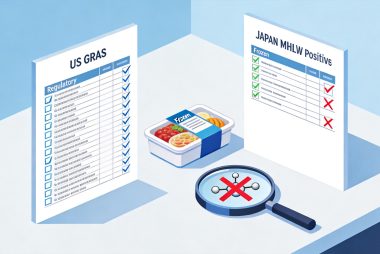
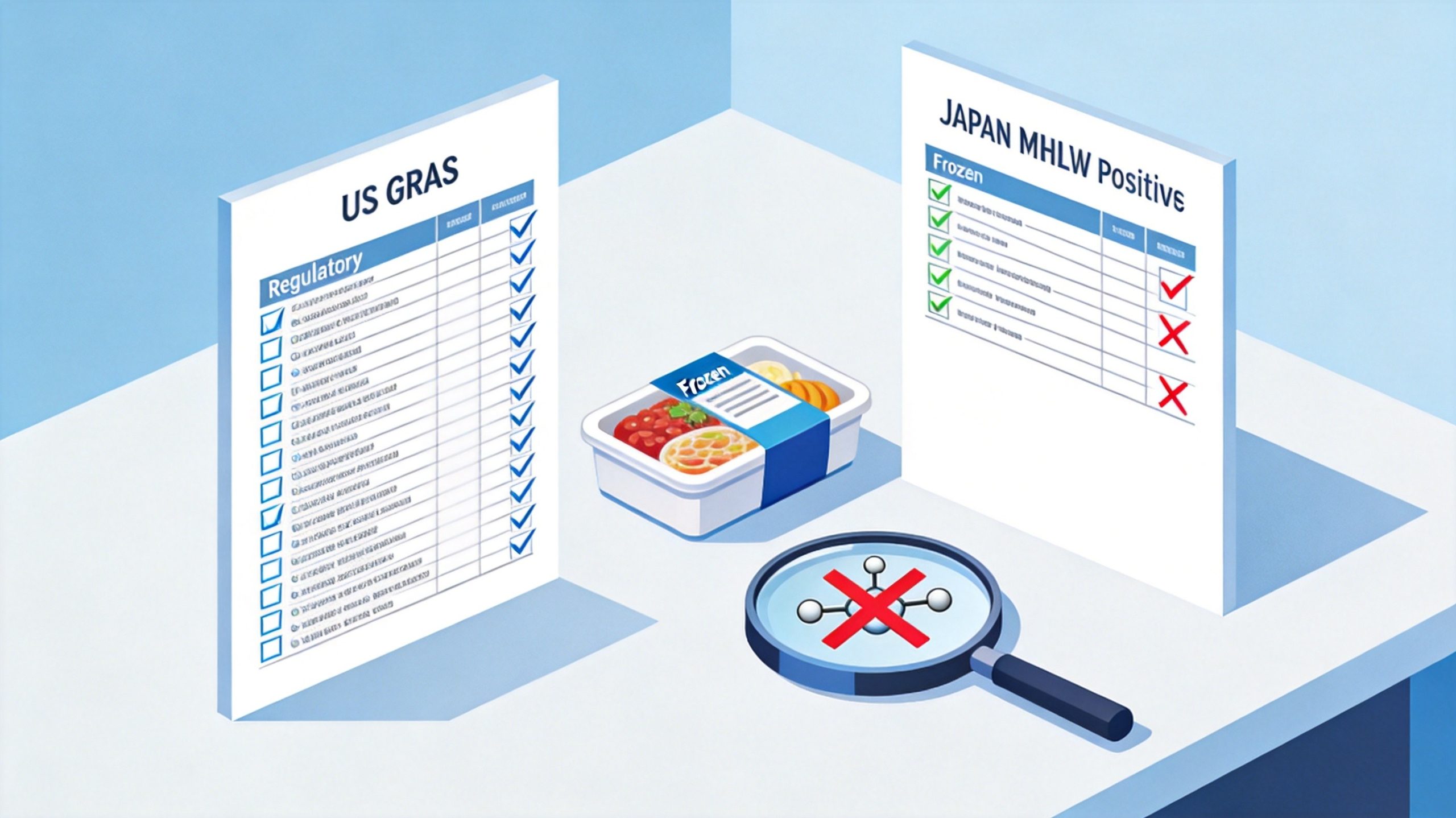
Japan frozen food additives regulatory compliance — MHLW positive list vs US GRAS and EU additive frameworks

Japan Frozen Food Additives: Why US & EU Brands Get Held at MHLW

Japan frozen food additives compliance is the single most common reason international brands see their first container held at a Japanese port. Japan permits approximately 470 designated food additives. The United States operates a GRAS system with over 10,000 substances considered Generally Recognized As Safe. The European Union lists around 330 authorised additives under Regulation…

European food exporter meeting Asian buyer at FHC Shanghai booth with product samples and compliance documents

FHC Shanghai 2026: 5 Pre-Show Actions Food Brands Must Finish 2 Weeks Out

FHC Shanghai 2026 opens on 10 November at the Shanghai New International Expo Centre (SNIEC). With over 3,000 exhibitors and an expected 180,000 professional buyers across import, distribution, retail, and foodservice, the scale is real. Scale does not convert itself. Two weeks out is not the time to print brochures. It is the time to…

© 2026 Specit Consulting. All rights reserved. Unauthorized reproduction is prohibited.
Specit Consulting
On-Ground Intelligence for
Asia Market Entry
© 2026 All rights reserved.

Contact

info@specitconsulting.com

+86 150 2128 9465 (WhatsApp)

1F, B3, No.2850 Lian Xi Road
Jin Ze Town, Qing Pu District
Shanghai, China 201722

© 2026 Specit Consulting. All rights reserved.
Chat on WhatsApp
WhatsApp