


Email Asian food importers the wrong way, and you get deleted in eight seconds. I am starting outreach to Asian importers for European food brands this week. Before I send the first email, I want to share something from the other side of the table.
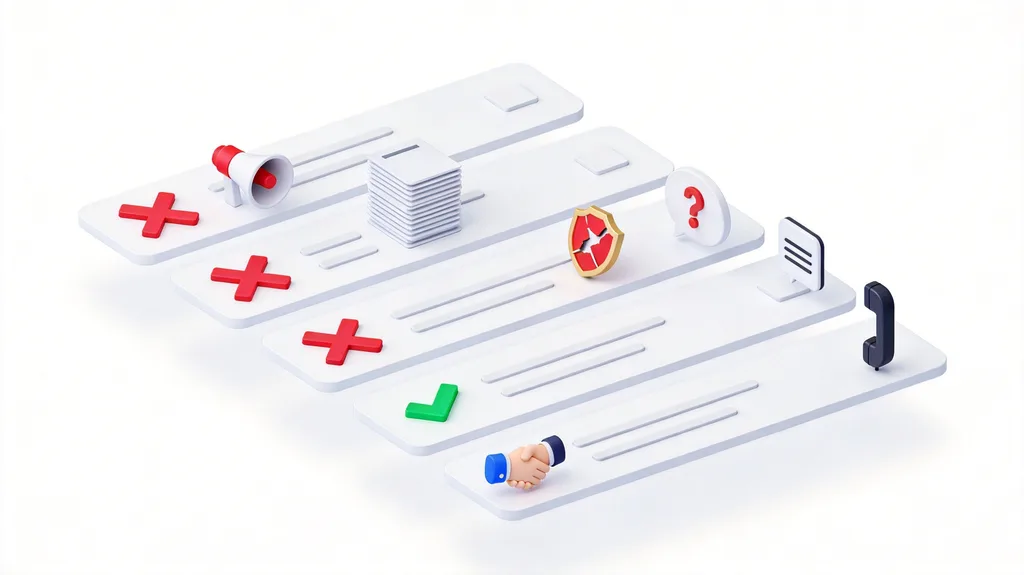
I have watched European exporters pitch Asian importers for years — and I have watched the same five mistakes come up almost every time. None of them are fatal. All of them are fixable. And getting them right roughly doubles your reply rate.
This is not a sales pitch. It is what I have observed from both directions.
Mistake 1: The Generic Blast
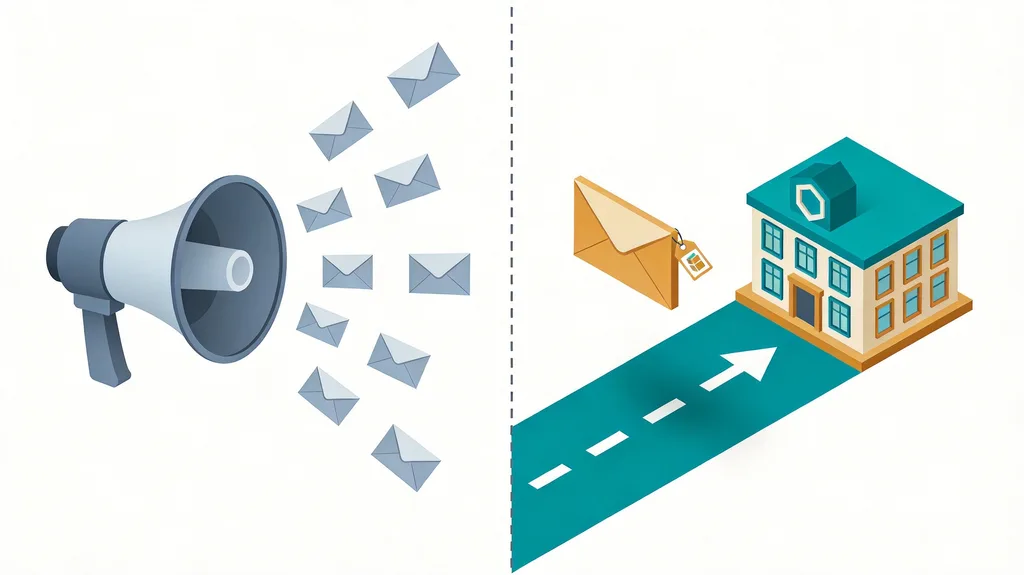
The first mistake most European producers make when they email Asian food importers is the generic blast.
"Dear Importer, we are a leading producer of…"
If your email could be sent to a distributor in Germany or Brazil without changing a single word, delete it.
Asian importers can spot a mass email in two seconds. The generic greeting, the vague product description, the absence of any sign that you know who you are writing to — these signal that you are spraying, not targeting.
The fix: Name one specific product of theirs that shows you handle their category. Reference a specific market — China, Japan, Korea, Singapore. One sentence of research does more than three paragraphs of company background.
Mistake 2: The 30-Page Catalogue Attachment
Your first email has a 30-page PDF attached. No context. No note about which products are relevant to their market.
Importers do not read catalogues from strangers. The attachment sits in a folder next to a hundred others, unopened.
The fix: Send zero attachments. Link to a one-page product sheet or your website. Pick two or three SKUs you think fit their market and explain why those specifically.
Mistake 3: "We Can Export to China" — Without GACC
Saying you can ship to China when you have no Decree 280 registration, no Chinese importer, and no label compliance is the fastest way to get deleted.
It tells the importer you have not done basic homework. And in China's regulatory environment, that is a signal you will be difficult to work with. If you have not started GACC registration, saying you are ready for China is the same as saying you have not looked at the market. Our step-by-step guide to exporting food to China covers what you actually need before you make that claim.
The fix: Be honest about where you are. "We are new to China and looking for an importer to guide us through registration" is a perfectly good opening. Pretending you are ready when you are not is not.
Mistake 4: "Do You Import Food?"
Asking an importer whether they import food — on LinkedIn, where their entire company profile says they import food — is the equivalent of walking into a restaurant and asking if they serve food.
It signals zero research. It also signals that you are sending the same message to everyone. Before you email Asian food importers, spend five minutes on their company page. Look at what categories they carry, what brands they represent, what markets they cover. That is not stalking — it is the minimum bar for a cold email.
The fix: Ask something specific. "Do you currently handle olive oil and preserved foods, or do you focus on the categories I see on your page?" This proves you looked.
Mistake 5: No WhatsApp, No WeChat — Only Email

Giving only your email as a contact is the fifth common mistake when you email Asian food importers.
In most of Asia, business moves to WhatsApp or WeChat after the first email exchange. Not having either signals that you expect the other side to work on your terms. Japanese and Korean importers may stay on email longer, but across Southeast Asia, Greater China, and much of the region, WhatsApp is where deals actually move.
The fix: Put your WhatsApp number in your signature and on your LinkedIn profile. If you do not have WeChat, get it before you start China outreach. It takes ten minutes and removes a barrier.
Bonus: Not Following Up
Most exporters send one email and vanish. Eighty per cent of deals come after the second or third contact.
A polite nudge seven days later gets more replies than a perfect first email ever will.
This is especially true after trade shows, where memory decay is fastest — we walk through the 48-hour / 7-day / 21-day three-touch cadence that converts SIAL and Anuga cards into calls in our trade show follow-up guide.
The exporters who follow up are the ones who get replies. It is that simple.
What These Have in Common
None of these mistakes come from bad products. They come from treating Asia as a single market, treating importers as a list, and treating email as a broadcast rather than a conversation.
The fix for all five is the same: spend ten minutes learning who you are writing to. Run through a self-audit checklist before reaching out to Asian importers, and you will avoid most of these errors before you hit send. Before you email Asian food importers, know what they sell, who they represent, and which of your products actually fits their portfolio. That ten minutes separates the emails that get replied to from the ones that get deleted.
Next Step
If you are preparing outreach to email Asian food importers and want a second pair of eyes on your approach — or need qualified introductions to distributors in specific markets — talk to Specit Consulting about our importer sourcing service. We work with European food producers to identify the right distributors, prepare compliant outreach materials, and navigate the first conversations that determine whether a deal moves forward.
Disclaimer: This article is provided for general informational purposes based on observed outreach practices and does not constitute sales training or business development advice. Response rates and outcomes vary by category, market, timing, and the quality of the individual outreach. Regulatory references (including GACC Decree 280) are current as of October 2026. For practical support specific to your product category and target importers, contact us at kevin@specitconsulting.com.
About Specit Consulting
Specit Consulting advises overseas food and beverage exporters on regulatory compliance and market entry across 13 Asian markets — China, Japan, Korea, Singapore, Thailand, Vietnam, Indonesia, Malaysia, the Philippines, Hong Kong, Macau, Taiwan, and India. We handle regulatory mapping and registration (including GACC Decree 280, Japan MHLW, Korea MFDS, Thai FDA, BPOM Indonesia, and SFA Singapore), labelling compliance, halal certification navigation, health claims review, detention resolution, and distribution. Two follow-ups after the initial email are standard. First follow-up at seven days, second at fourteen to twenty-one days. If you get no reply after three touches, move on — they are not interested right now.
or due diligence. We do not sell freight or act as importer of record; we work alongside your chosen logistics partners and distributors to get products to market compliantly.
Further reading
- Red Flags When Evaluating a Food Importer in China: A Due Diligence Checklist
- How to Export Food to China in 2026: GACC Registration, Labelling and Customs
- Asia Food Export Market Priority: A Decision Framework
- Send Food Samples to Asia: Avoid These Customs Mistakes
- Food Distributor Agreements in Asia: Key Clauses
FAQ
Do I need WeChat to email Asian food importers in every market?
No. WhatsApp covers most of Southeast Asia, Hong Kong, and India. WeChat is essential for mainland China. Japan and Korea often stay on email and LINE (Korea). Including both WhatsApp and WeChat in your signature covers the majority of cases.
How long should my first email be?
Three to five short paragraphs. Who you are, one sentence that proves you researched them, which two or three products you think fit their market, and a clear ask. Anything longer does not get read.
Should I mention pricing in the first email?
Not in the first email. Price anchors the conversation before the importer has decided they are interested in your product. Mention it only if they ask, or after they have expressed interest in specific SKUs.
Is it better to email the managing director or the purchasing manager?
For smaller distributors (the typical target for European SMEs), email the managing director or owner directly. For larger distributors with category buyers, find the buyer responsible for your category. Generic info@ emails get almost no replies.
How many follow-ups is too many?
Two follow-ups after the initial email is standard. First follow-up at seven days, second at fourteen to twenty-one days. If you get no reply after three touches, move on — they are not interested right now.
Need help navigating your market entry?
We've helped food exporters across 10+ countries enter 13 Asian markets. Get a free initial assessment based on public data — delivered in 3 working days.
Get Your Free AssessmentContinue Reading
▶Exporting Food to Southeast Asia: A 6-Country Compliance Roadmap
▶Canned Food in Asia: Where European Conservas, Confit and Tinned Seafood Actually Sell
▶Exporting Olive Oil to Asia in 2026: A Compliance Comparison for China, Japan and Korea
Questions about entering the Asian market?
Chat with us on WhatsApp →