


China Food Safety Law revision landed on 10 October 2026, when the State Administration for Market Regulation (SAMR) released a draft for public comment. This is the biggest overhaul since the 2015 rewrite — 37 new articles, 93 revised, and a framework that will reshape how food enters China for the rest of the decade.
The consultation period runs until 10 November 2026. Final passage and implementation are expected sometime in 2027.
Most of the coverage so far has focused on domestic producers and online food platforms. For overseas exporters, the China food safety law revision brings narrower but real changes. Here is what matters.
Five Changes That Affect Foreign Exporters
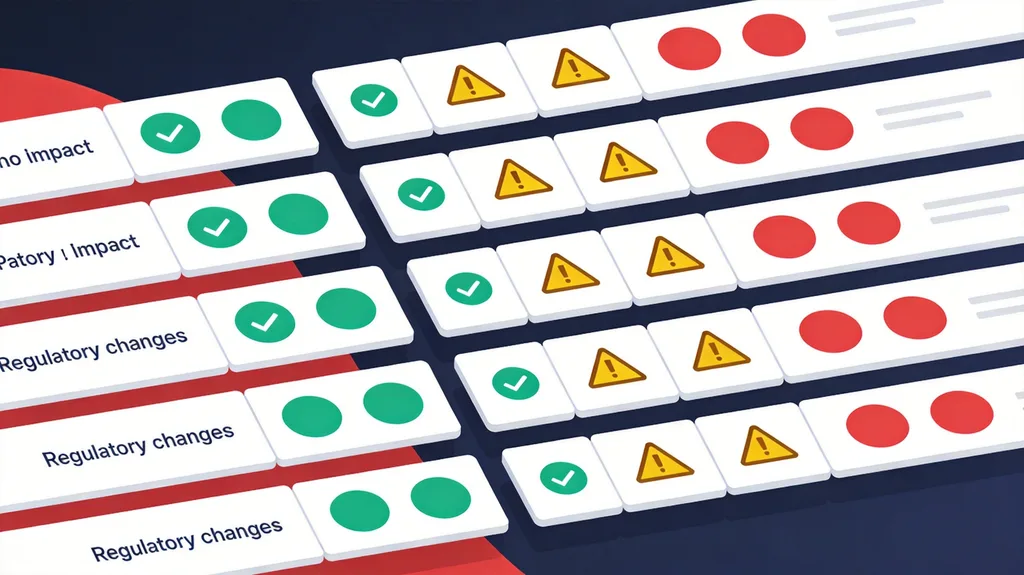
The China food safety law revision covers smart monitoring, scho. ol food safety, food safety directors, and several domestic enforcement measures. Those sections do not directly change life for a European or Latin American exporter shipping finished food from outside China. Five changes do.
1. Cross-border e-commerce platforms now carry primary safety responsibility
The draft explicitly assigns primary food safety liability to cross-border e-commerce (CBEC) enterprises. Up to now, platforms such as Tmall Global and JD Worldwide have operated in something of a grey zone — technically responsible for sellers on their platforms, but rarely held to the same standard as domestic food distributors. The revision makes the platform itself accountable for the safety of imported food sold through it.
For exporters using the CBEC route — that is, selling into China without a local entity, through bonded warehouses or direct mail — this means platform scrutiny will tighten. Tmall Global and JD Worldwide will likely demand more documentation from overseas sellers, recall obligations will become more explicit, and the compliance gap between CBEC and general trade will narrow. This builds on a February 2026 announcement that already required CBEC enterprises to designate a domestic responsible entity for product recalls.
If you are relying on CBEC as a "no-registration, no-entity" entry route, the commercial reality is shifting even if the legal exemption technically remains. Platforms will pass their increased liability onto sellers in the form of documentation demands and stricter onboarding.
2. Additives and food-contact materials now fall under customs supervision
The draft brings food additives and food-related products — packaging materials, food-contact substances, processing aids — explicitly within the scope of customs import and export supervision. The previous law focused mainly on finished food products.
If you export additives, ingredients, packaging, or food-contact materials to China, you will face the same import compliance regime as finished food: GACC registration requirements, port inspection, documentation checks, and the risk of non-compliance detention. For brands that ship seasoning blends, ingredient kits, or proprietary packaging alongside finished goods, this is not a theoretical change — it is the single most operationally relevant provision in the China food safety law revision for ingredient and packaging suppliers.
3. Smart monitoring — mainly domestic, but signals the enforcement direction
Food production facilities operating in China will be required to install cameras and monitoring equipment at critical risk points and connect live feeds to the local market regulator's system. This has no direct impact on an overseas exporter with no Chinese production facility.
What it signals is the direction of enforcement: more data, more automated oversight, more real-time surveillance. Over time, this will extend to importer record-keeping and traceability requirements. Expect importers to demand more granular production and QC data from their overseas suppliers as their own compliance burden grows.
4. Online food operations get their own chapter
A new dedicated section introduces tiered filing requirements for online food businesses and spells out liability for platforms, in-app store operators, and livestream hosts. Livestream commerce — still a major channel for imported food, especially on Douyin and Kuaishou — is brought explicitly within the regulatory perimeter.
For exporters whose Chinese distributors or agents sell through livestream channels, this creates a new accountability point in the distribution chain. It does not change your obligations as a manufacturer, but it gives distributors another reason to be selective about the brands they take on — and the claims they allow livestream hosts to make.
5. Personal liability and credit penalties
The draft strengthens "penalties to the person" — meaning legal representatives, food safety officers, and responsible personnel at registered entities can face personal fines, industry bans, or criminal referral for intentional violations. A national food safety credit system will also be introduced, with cross-departmental joint penalties for non-compliance.
Again, these provisions primarily target entities and individuals operating in China. But if you have a registered subsidiary or a representative office in China, the personal liability risk for your on-the-ground personnel is now real. For exporters operating purely through an importer, the effect is indirect: your importer's responsible persons now carry more personal risk under the China food safety law revision, which will make them more cautious about the documentation and compliance posture of the brands they represent.
What This Means for Pure Exporters
If you export to China from outside the country and have no Chinese entity, factory, or subsidiary, several parts of the China food safety law revision do not apply to you directly. The smart monitoring provisions, domestic credit penalties, and food safety director requirements fall on your importer, not on you.
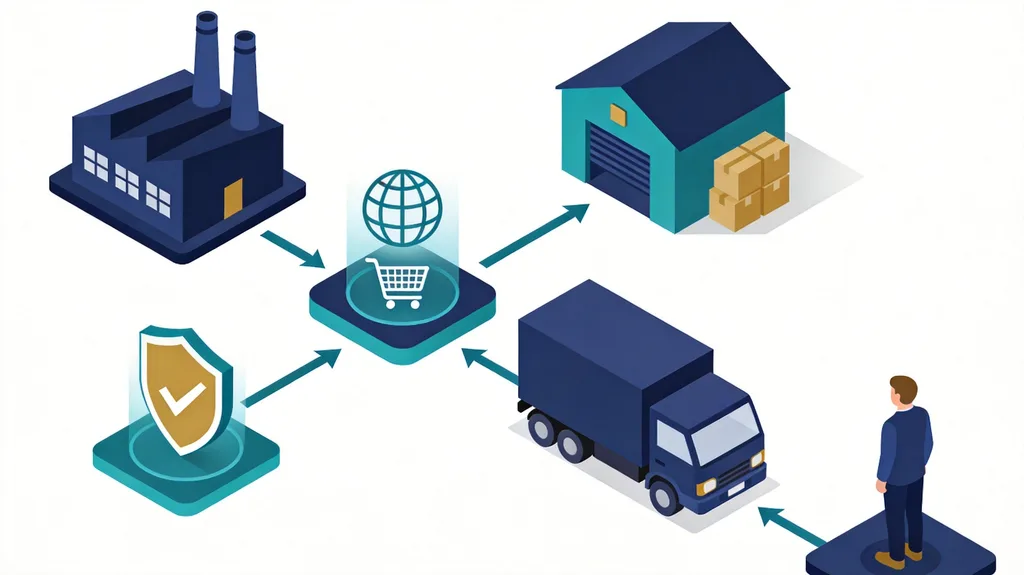
Three areas do affect you:
| Area | Impact |
|---|---|
| CBEC sales | Platforms face stricter liability and will pass documentation demands and compliance reviews onto sellers.s |
| Additives and food-contact materials | More product categories fall under customs supervision, requiring proper import documentation |
| Importer scrutiny | Your Chinese importer now faces greater personal and enterprise liability; expect more questions and tighter document review.w |
Expect your importer to ask for more comprehensive ingredient documentation, production flow descriptions, and QC evidence. Expect CBEC platforms to require product registration and Chinese labelling even in bonded zones. Expect the gap between "CBEC is easy" and "general trade is hard" to keep shrinking as the new rules work their way into platform policies and port enforcement.
How This Interacts with GACC Decrees 248, 249 and 280
The Food Safety Law is primary legislation — the top-level statute. GACC Decrees 248, 249 and 280 are implementing regulations that sit underneath it. The revision does not replace the GACC registration system. It gives that system a stronger legal foundation and extends its scope.
The key additions that sit alongside existing GACC rules:
- CBEC-specific liability provisions that reinforce the direction already signalled in 2025–26 enforcement actions
- Expanded scope to explicitly include additives and food-contact products, closing a gap that some importers had exploited
- Personal penalties that extend to responsible individuals at GACC-registered facilities, making it harder for registered importers to treat compliance as a paperwork exercise
If you are already registered under Decree 280 and your documentation is in order, the practical changes are incremental — mainly higher importer expectations around traceability and record-keeping. If you are using CBEC without GACC registration on the assumption that it is a permanent no-entity pathway, the window is narrowing.
Three Things to Do Before the Law Takes Effect

The final text will not be published until sometime in 2027. But the direction is clear, and the consultation draft is a reliable indicator of what is coming. Three moves are worth making now rather than later.
1. Audit your CBEC position. If you sell through Tmall Global, JD Worldwide, Douyin Cross-Border, or similar channels, talk to your platform operator or TPS about what additional documentation they plan to require once the China food safety law revision passes. Do not assume the current relaxed position will hold.
2. Check your product scope. If you ship additives, compound ingredients, proprietary packaging, or food-contact materials to China as part of your finished-goods supply, verify whether these fall under the expanded import supervision regime. You may need registration or documentation that was not previously required.
3. Prepare for stricter importer diligence. Your Chinese importer now faces personal liability for food safety failures on top of enterprise penalties under the China food safety law revision. They will ask harder questions about your production standards, ingredient sourcing, and QC documentation. Having your technical files in order — and available in Chinese — before they ask will make the conversation smoother.
Next Step
The consultation period for the China food safety law revision closes on 10 November 2026. The final law is likely to pass with the main provisions intact, though details will shift during the legislative process. If you export food to China and want to know where your current compliance posture has gaps against the draft revision, contact Specit Consulting for an initial gap assessment before the rules harden.
Disclaimer: This article summarises the Food Safety Law draft revision released for public comment on 10 October 2026 and is provided for general informational purposes only. It does not constitute legal advice. The final text may differ materially from the consultation draft following the comment period and legislative review. Importers and exporters should consult qualified PRC legal counsel before making compliance decisions based on the draft. Regulatory references are current as of October 2026. For practical compliance support specific to your product category, contact us at kevin@specitconsulting.com.
About Specit Consulting
Specit Consulting advises overseas food and beverage exporters on regulatory compliance and market entry across 13 Asian markets — China, Japan, Korea, Singapore, Thailand, Vietnam, Indonesia, Malaysia, the Philippines, Hong Kong, Macau, Taiwan, and India. We handle regulatory mapping and registration (GACC Decree 280, Japan MHLW, Korea MFDS, Thai FDA), labelling compliance, health claims review, detention resolution, and distributor due diligence. We do not sell freight or act as importer of record; we work alongside your logistics partners and distributors to get products to market compliantly.
Further reading
- Selling Imported Food via China Cross-Border E-Commerce in 2026: A No-Entity Pathway for Craft Brands
- How to Export Food to China in 2026: GACC Registration, Labelling and Customs
- Preparing for an Importer Introduction: What Exporters Need Ready
- EU Food Exports to China: Tariff Risks 2026–2029
- What to Do When Your Food Shipment Is Detained at an Asian Port
FAQ
Does the Food Safety Law revision replace GACC Decree 280?
No. The Food Safety Law is top-level primary legislation; Decrees 248, 24,9 and 280 are implementing regulations under it. The revision strengthens the legal foundation for GACC registration and import supervision but does not replace the registration system.
I sell through Tmall Global without a Chinese entity. Does this change anything immediately?
No immediate change — the draft is still out for consultation and will not take effect until 2027. But the direction is clear: CBEC platforms will carry primary safety responsibility and will pass that burden onto sellers in the form of tighter onboarding and documentation.
What about exporters shipping from Europe with no Chinese subsidiary?
Smart monitoring, food safety director requirements, and personal credit penalties apply to entities operating in China. Your direct exposure is limited to CBEC documentation demands, expanded additive/food-contact supervision, and stricter importer diligence.
Should I wait until the final law passes before doing anything?
Three things cost nothing to start now: confirm your CBEC operator's plans, verify whether you ship additives or food-contact materials that might fall under the expanded scope, and make sure your technical files are available and up to date for importer review.
When does the consultation period end?
10 November 2026. Final passage and implementation are expected in 2027, though specific articles may change between the draft and final text.
Need help navigating your market entry?
We've helped food exporters across 10+ countries enter 13 Asian markets. Get a free initial assessment based on public data — delivered in 3 working days.
Get Your Free AssessmentContinue Reading
▶Exporting Olive Oil to Asia in 2026: A Compliance Comparison for China, Japan and Korea
Questions about entering the Asian market?
Chat with us on WhatsApp →