

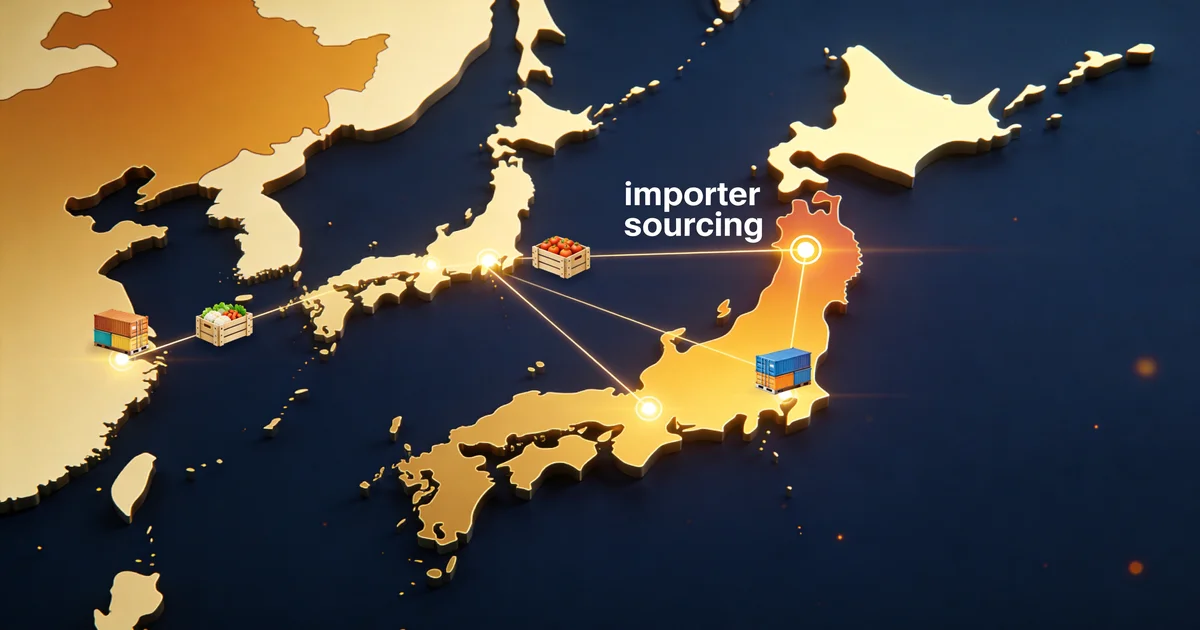
26 August 2026 | Shanghai, China
For food exporters looking to enter Asia, finding the right importer is often harder than landing the first order. Once you find them, how you write that first email determines whether they reply — most cold emails to Asian importers are deleted within seconds. Most exporters learn this the hard way: the importer who seemed interested at the show can't clear your product at the port. The first step to a productive show meeting is making sure your samples actually clear customs on time — see our trade show food sample shipping guide for ATA Carnet procedure and exhibition-clearance rules before you book freight.
What We Saw
Many exporters start by browsing online directories or industry association lists. Directories give you names. They don't tell you if those names can actually import your product.
Trade data analysis offers a more reliable starting point. By examining actual import records, you can identify which companies are already bringing in products similar to yours. The data reveals the volume they handle, the frequency of their shipments, and their established supply chain relationships. An active import history is better than guessing from a directory listing.
Once you have a shortlist, three verification essentials apply to every potential partner.
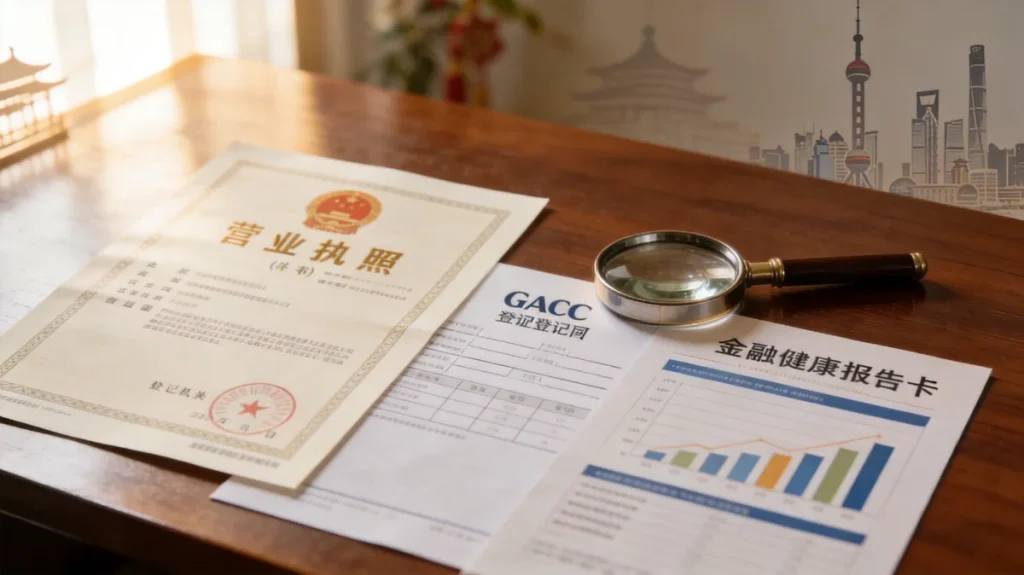
The first is a license. In China, every food importer must complete an official online filing with the Customs authority (GACC online filing, roughly five working days) under Decree 280 (effective 1 June 2026). In Japan, there is no pre-registration to become an importer. Still, every shipment requires an import notification to the Ministry of Health, Labour and Welfare (MHLW) under the Food Sanitation Act (食品衛生法), and an import permit is issued upon compliance. In South Korea, food importers must register with the Ministry of Food and Drug Safety (MFDS, 식품등수입판매업등록). Without this registration, shipments cannot clear customs.

The second is category. An importer's license or registration is often tied to specific product categories. In China, the food importer's business scope must explicitly cover the type of food they intend to import — a Food Business License does not automatically cover all categories. A wine importer may not be legally registered to handle dairy or meat products. Japan and South Korea also use product-specific classifications, with certain goods subject to stricter inspections or separate approval requirements. Check this before you sign anything.
The third is financial health. An importer's financial stability is a practical concern. Reviewing financial statements is a common way to assess this. A financially sound partner is less likely to cause payment issues — and less likely to disappear when a shipment faces a delay.
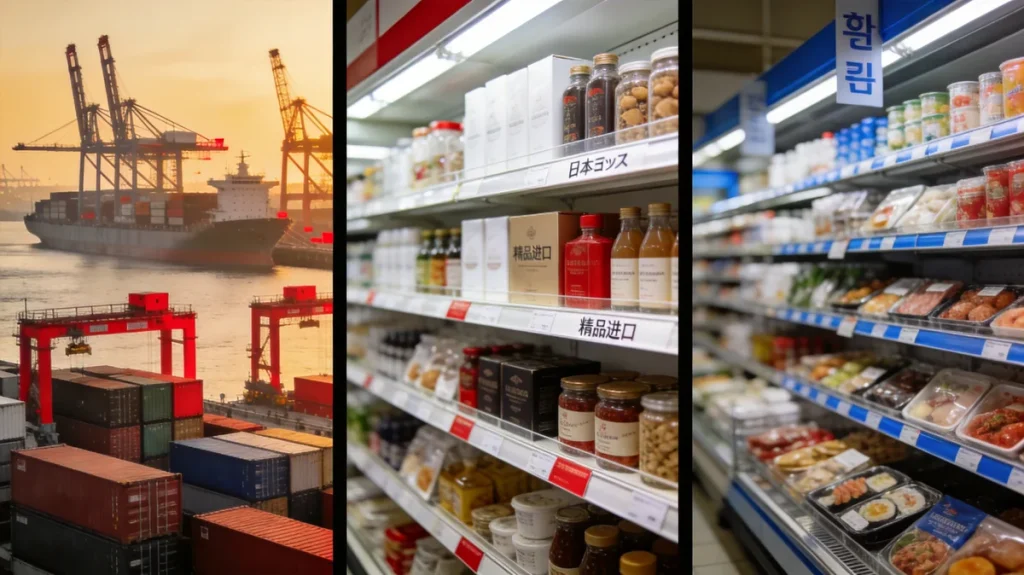
The regulatory landscape differs significantly across the three markets. China requires mandatory online filing with GACC before import (Decree 280, effective 1 June 2026). Japan operates on shipment-specific import notifications through MHLW (Food Sanitation Act). South Korea mandates registration with MFDS. The key authority, the licensing structure, and the category scrutiny all vary. A partner who is compliant in one market is not automatically compliant in another. Importers handling Korean-bound shipments must ensure the overseas manufacturer has completed MFDS food registration before the vessel sails — many introductions fall through when this step is assumed rather than verified.
Why This Matters for You
The category check is the one most exporters skip. They assume that a food importer can import food. It doesn't work that way. In China especially, the business scope must align with the product type. A general food importer may not be registered for dairy, meat, or health foods. Asking for the license is not enough — you need to check what the license actually covers.
Alcohol is a category where this matters most — a food importer's license rarely covers spirits, and each of the three markets operates a separate alcohol import regime with its own tax stamps, warehouse requirements, and label approvals. See our compliance roadmap for craft distillers entering Asia for what needs to be in place before you approach importers.
The financial health check is also underused. Most exporters spend more time on product positioning than on importer solvency. But a financially weak importer will delay payments, underinvest in marketing, and cut compliance corners when cash gets tight — which it always does.
Skip verification, and you find out when the container is already at the port.
Takeaway
Start with trade data, not directories. Identify importers who are already moving products like yours, and examine their actual shipment history. Verify three things for every candidate: license, category coverage, and financial stability. Confirm the license covers your specific product type, not just "food." Review financial statements or proof of capital. And understand that China, Japan, and South Korea operate under different regulatory structures — a partner who works in one market is not automatically qualified for another.
Beyond regulatory compliance, Asia tariffs on imported food directly affect your landed cost — understanding the duty structure in each market is part of qualifying the right importer.
A qualified importer is a verified one. Everything else is a contact list.
When vetting importers for certified product lines, confirm they have handled certified goods before and understand that there is no automatic organic certification mutual recognition across Asia — a JAS certificate does not clear Korean retail shelves and vice versa.
Need help finding verified food importers in China, Japan, or South Korea? Contact Specit Consulting for targeted importer sourcing.
About Specit Consulting
As a food export Asia consultant, we help food and beverage brands enter and grow in the Chinese and wider Asian markets through trade intelligence, importer identification, and market research.
✉ info@specitconsulting.com
Disclaimer: This article reflects general market observations and regulatory understanding as of August 2026. It does not constitute legal or regulatory advice. Always confirm current requirements with the relevant authority or a qualified regulatory consultant.
Need help navigating your market entry?
We've helped food exporters across 10+ countries enter 13 Asian markets. Get a free initial assessment based on public data — delivered in 3 working days.
Get Your Free AssessmentContinue Reading
▶Red Flags When Evaluating a Food Importer in China: A Due-Diligence Checklist
▶How to Stay Aligned with Your Food Import Partner in Asia from Launch to Expansion
▶Your Expo Trip Starts Before the Flight: How to Make Every Day Count
Questions about entering the Asian market?
Chat with us on WhatsApp →