

12 August 2026 | Shanghai, China
Two months after China's GACC Decree 280 took effect on 1 June 2026, the data tells a clear story: regulatory enforcement is tightening, and non-compliance is expensive.
GACC Decree 280: Two Months of Food Import Rejection Data — What Exporters Must Fix Before Shipping
What We Saw
In the first six months of 2026, Chinese customs intercepted 3,243 batches of non-compliant food imports. The rejections clustered around four recurring issues: labelling non-compliance, additive use exceeding permitted limits, inconsistency between goods and documentation, and overseas manufacturer registration failures. Rejections cluster not only at label and registration gates but at the ingredient legality gate for novel and functional foods — a category where many superfood exporters learn at the port that their core ingredient has not been approved. Our breakdown of superfood import regulations across China, Japan, and Korea maps which ingredients are cleared, which require approval, and which remain unapproved.
While the first three issues have been persistent problems for years, the fourth — manufacturer registration — has taken on new teeth under Decree 280.
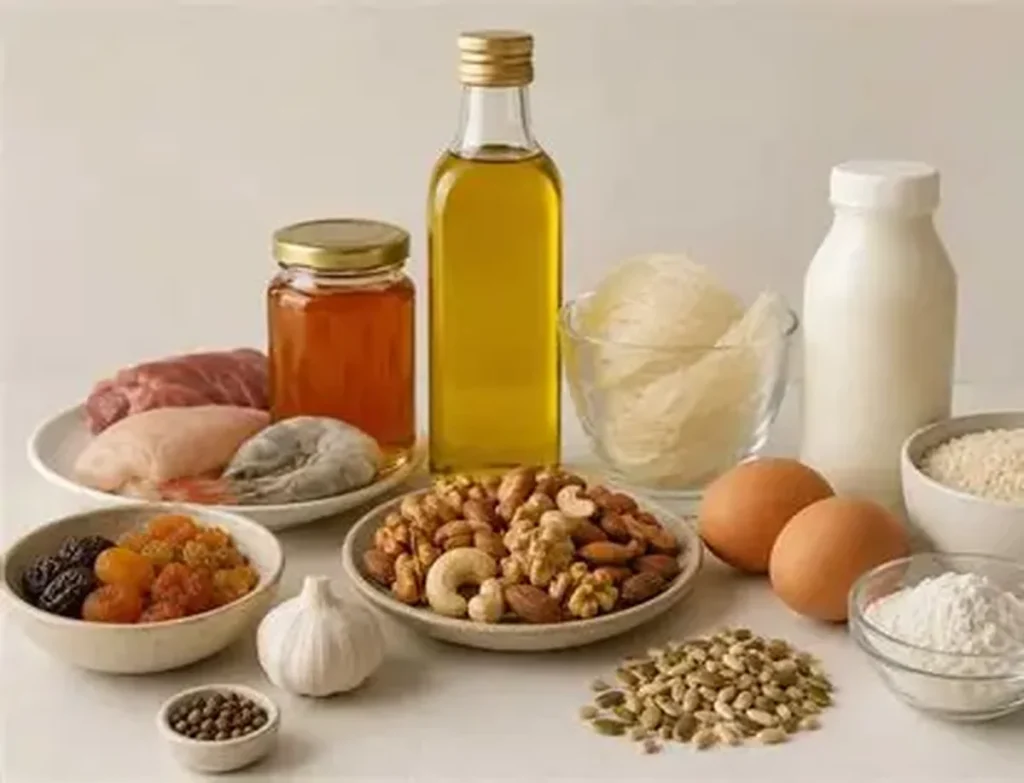
From 1 June 2026, 17 food categories — including meat, dairy, seafood, nuts, edible oils, and dried fruits— became subject to a stricter registration requirement. For these products, Box 519 on the customs declaration form must include the overseas manufacturer's GACC registration number, and the purpose must be clearly specified as "for consumption." The registration number entered must correspond to the producer of the specific goods being imported and must match the declared country of origin.
In practice, three pieces of information must now match perfectly: the manufacturer's registered name, the registered address, and the product category listed on the registration. What catches many exporters off guard is not the requirement itself, but how strict the matching is — a registered trading name that differs by a single character from the commercial invoice will trigger rejection. If any of these do not match exactly — even a small spelling discrepancy — customs will reject the shipment. There is no "fix it later" option.
The registration process itself has also become more demanding. Applications now require detailed information about factory layouts, production lines, capacity, raw materials, pesticides, and food safety commitments. Some exporters have reported being rejected multiple times, and when errors occur, they must resubmit the application from scratch.
For alcohol exporters specifically, Decree 280 interacts with a separate set of category-specific rules — interim whisky duties, Japan's liquor tax reset, and Korea's warehouse licensing requirement — that sit on top of the general food registration framework. We cover these spirits-specific compliance steps for Asian markets in a separate guide.
Before Decree 280, manufacturer registration was often treated as a soft requirement. Some exporters registered; others did not. Some customs ports enforced it; others did not. That era is over. The data confirms that customs is now systematically verifying registration information at the point of clearance. Shipments with missing or mismatched registration details are being rejected with the same finality as shipments with labelling errors or banned additives.
Why This Matters for You
If your product falls into one of the 17 high-risk categories, you now have a clear choice: comply in advance, or face rejection at the port.
A rejected shipment under Decree 280 means return or destruction — there is no option to send it back for correction. The financial consequences stack quickly: shipping costs, customs fees, and potential demurrage charges. There is reputational damage too, because delayed deliveries erode trust with importers who are waiting on stock. And each rejection adds weeks or months of operational disruption to your supply chain.
What makes Decree 280 different from previous regulations is not the requirement itself, but the enforcement. The first two months of data show that customs is treating manufacturer registration as a hard barrier — not a soft guideline. The ports that previously might have waived a mismatch are no longer doing so. The discretion that existed under the old system has been largely removed.
This also means that exporters who previously shipped without issue may now face rejection — not because their product or paperwork changed, but because enforcement did. A shipment that cleared in May 2026 might be rejected in July 2026 with identical documentation, simply because the rules are now being applied as written.
The added complexity of the registration process itself compounds the risk. The detailed information now required — factory layouts, production line data, raw material sourcing — means that a rushed or incomplete application is likely to be rejected multiple times, with each rejection resetting the clock.
Takeaway
Decree 280 is not a formality. Verify your GACC registration details before you ship. Check that the name, address, and product category on your registration exactly match what appears on your customs declaration.

If they do not match, do not ship until they do. Invest the time upfront in a complete and accurate registration application — the cost of resubmitting from scratch is higher than the cost of getting it right the first time. The price of compliance is time and attention. The price of non-compliance is a rejected container — and under Decree 280, that container is not coming back for corrections.
GACC Decree 280 registration applies to general-trade imports. Brands testing the China market via cross-border e-commerce (CBEC) currently operate under a separate compliance pathway with lighter registration requirements — see our CBEC entry guide for craft brands.
Need help verifying your GACC registration before your next shipment? Read our guide on how long GACC registration really takes.
Related: Indonesia Halal Certification 2026: What Food Exporters Must Do Before 17 October — two of Asia's largest markets raising compliance barriers in parallel.
Need help with GACC registration? See our China GACC Food Registration service
About Shanghai Specit Management Consulting Co Ltd
We help food and beverage brands enter and grow in the Chinese and wider Asian markets through trade intelligence, importer identification, and market research.
✉ info@specitconsulting.com
Disclaimer: This article reflects general market observations and regulatory understanding as of August 2026. It does not constitute legal or regulatory advice. Always confirm current requirements with the relevant authority or a qualified regulatory consultant.
Related: China Suspends Seed Potato Imports in 2026: What Exporters Must Know About the CLso Rules
Need help navigating your market entry?
We've helped food exporters across 10+ countries enter 13 Asian markets. Get a free initial assessment based on public data — delivered in 3 working days.
Get Your Free AssessmentContinue Reading
▶Send Food Samples to Asia: Avoid These Customs Mistakes
▶Food Import Detentions in Asia: 7 Real Cases and How to Avoid Them (2026)
Questions about entering the Asian market?
Chat with us on WhatsApp →