

11 July 2026 | Shanghai, China
Exporters need to support partners beyond the container

In multiple Asian markets, importers of pre-packed food and alcohol are sitting on significant inventory. Sell-through from 2025 to now remains slow—not only because of weak demand and cautious consumption, but because consumer habits and route-to-market models have shifted.
Bulk stockpiling has given way to smaller, immediate purchases via convenience stores, e-commerce, and instant retail. Meanwhile, traditional wholesale and HORECA channels are moving sluggishly. Qualified food importers who once ordered containers confidently are now reducing volumes, delaying reorders, or asking for more flexible terms. Their distributors are often overstocked, too.
The result: containers stuck in warehouses, cash tied up, and pressure to clear stock at thin margins.
When importers can’t move stock as planned, the next order slows, and brand momentum stalls. Shelf presence weakens, and competitors offering stronger local support step in.
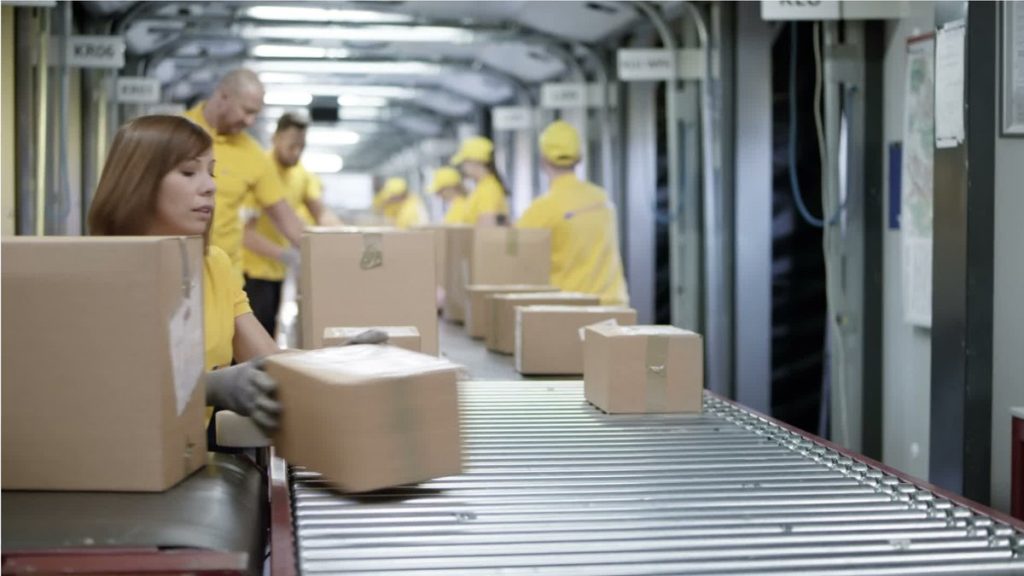
Product supply alone isn’t enough now; importers increasingly need sell-through support — consumer-facing promotions, digital demand generation, or activation in instant retail and membership channels. Flexible commercial terms also help protect long-term partnerships when cash flow is tight.
Honest, ground-level communication about real inventory and channel sell-through is essential. Without it, pricing and promotion decisions become guesswork. The strongest partnerships are built during slow periods — importers remember who stayed close and helped solve real problems.
Support your importer beyond the container. Helping your partners reduce overstock, improve sell-through, and adapt to new buying behavior protects distribution today and positions the brand to grow when confidence returns.
Frequently Asked Questions
Why is imported alcohol sitting unsold in Asian warehouses?
Consumer habits have shifted toward smaller, immediate purchases via convenience stores, e-commerce, and instant retail. Traditional wholesale and HORECA channels are moving slowly, leaving importers overstocked.
How can exporters help importers reduce warehouse overstock?
Provide sell-through support — consumer-facing promotions, digital demand generation, activation in instant retail channels, and flexible commercial terms. Honest communication about real inventory levels is essential.
About Specit Consulting
We help food and beverage brands enter and grow in the Chinese and wider Asian markets through trade intelligence, tariff analysis, labelling compliance, importer identification, and market research.
✉ info@specitconsulting.com
Disclaimer: This article reflects general market observations and regulatory understanding as of September 2026. It does not constitute legal or regulatory advice. Always confirm current requirements with the relevant authority or a qualified regulatory consultant.
Need help navigating your market entry?
We've helped food exporters across 10+ countries enter 13 Asian markets. Get a free initial assessment based on public data — delivered in 3 working days.
Get Your Free AssessmentContinue Reading
▶Red Flags When Evaluating a Food Importer in China: A Due-Diligence Checklist
▶How to Find Qualified Food Importers in China, Japan, and South Korea
▶How to Stay Aligned with Your Food Import Partner in Asia from Launch to Expansion
Questions about entering the Asian market?
Chat with us on WhatsApp →