

17 July 2026 | Shanghai, China
In China's imported wine market, the rise of one-person companies (OPCs) is driven less by AI or digital innovation and more by commercial pressure — thinner margins, slower inventory, and the need to stay lean and move fast.
More One-Person Wine Businesses Are Showing Up
Spend time in Southern China's wine trade today, and one thing becomes clear: more imported wine is being moved by OPCs — one-person companies.

These are not major importers with big teams and national networks. Many are former sommeliers, ex-sales reps, KOLs, or small traders who have chosen to work independently. They buy in small mixed pallets, sell through WeChat, private dinners, and Douyin livestreams, and often move stock much faster than traditional distributors.
What stands out is how flexible they are. If a client wants a certain style, origin, or price point, many of these operators can respond quickly. They do not carry the same overhead as larger wholesalers, and they are not tied to slow internal processes. In today's market, that matters.
This Is More About Margin Than Technology
It would be easy to describe this as an innovation story, or even an AI story. But from what we see, that would miss the real point.
The rise of OPCs in China's imported wine market is, first of all, a commercial response. The old distribution model has become harder to manage. Margins are thinner, inventory moves more slowly, and many traditional players are under pressure. In that environment, smaller independent operators are finding room to survive by staying lean and moving fast.
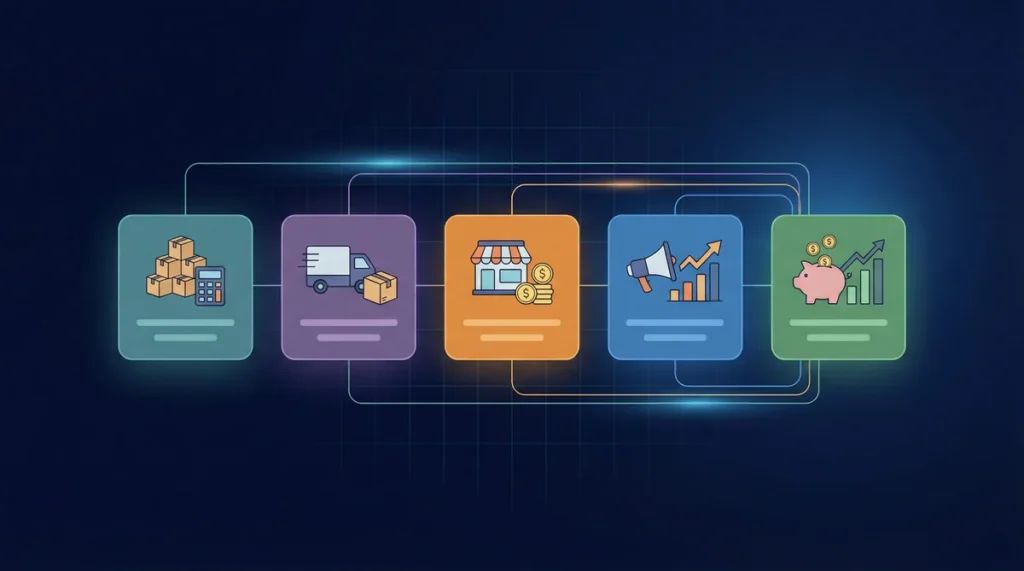
Yes, digital tools help. Social platforms give them access to customers, and online communication makes selling easier. But in most cases, AI is not the reason these businesses are growing. The real drivers are simpler: cash flow, workable margins, quick stock turnover, and low operating cost.
What Exporters Should Pay Attention To
For exporters and brand owners, this shift is worth watching closely. China's route-to-market structure is becoming more fragmented — but also more flexible.
OPCs may not replace traditional importers, but they are becoming a more important part of the picture. For some brands, especially those that need faster market testing or wider SKU exposure, they can be a useful channel.
At the same time, these operators think very practically. They tend to choose products that give them room to earn, low risk on stock, and a realistic chance to sell quickly. That means exporters need to support them from several angles: reasonable pricing, lower minimum order quantities, mixed-case flexibility, and stock that can be delivered quickly.

A Shift Worth Understanding
The growth of OPCs should not be over-romanticised as digital transformation. It looks more like a market correction — shaped by pressure on margins and changing channel economics.
Still, that does not make it a negative story. For exporters willing to adapt, it may be a useful opening. In a changing market, the brands that understand how these smaller operators work — and help them earn a reasonable profit — are often the ones that stay relevant.
Want to understand China's changing wine distribution channels? Read our guide on how to choose suitable partners in Asia
Shanghai Specit Management Consulting Co Ltd | Services | Contact Us
Email: info@specitconsulting.com
Disclaimer: This article reflects general market observations and is intended for informational purposes only. Market conditions vary, and commercial decisions should be based on your own due diligence.
Need help navigating your market entry?
We've helped food exporters across 10+ countries enter 13 Asian markets. Get a free initial assessment based on public data — delivered in 3 working days.
Get Your Free AssessmentContinue Reading
▶What CIIE Exhibitors Learn After Their First Year in China
▶3 Trade Shows Where Asia Food Buyers Show Up
▶Your Expo Trip Starts Before the Flight: How to Make Every Day Count
Questions about entering the Asian market?
Chat with us on WhatsApp →