

11 August 2026 | Yiwu, China
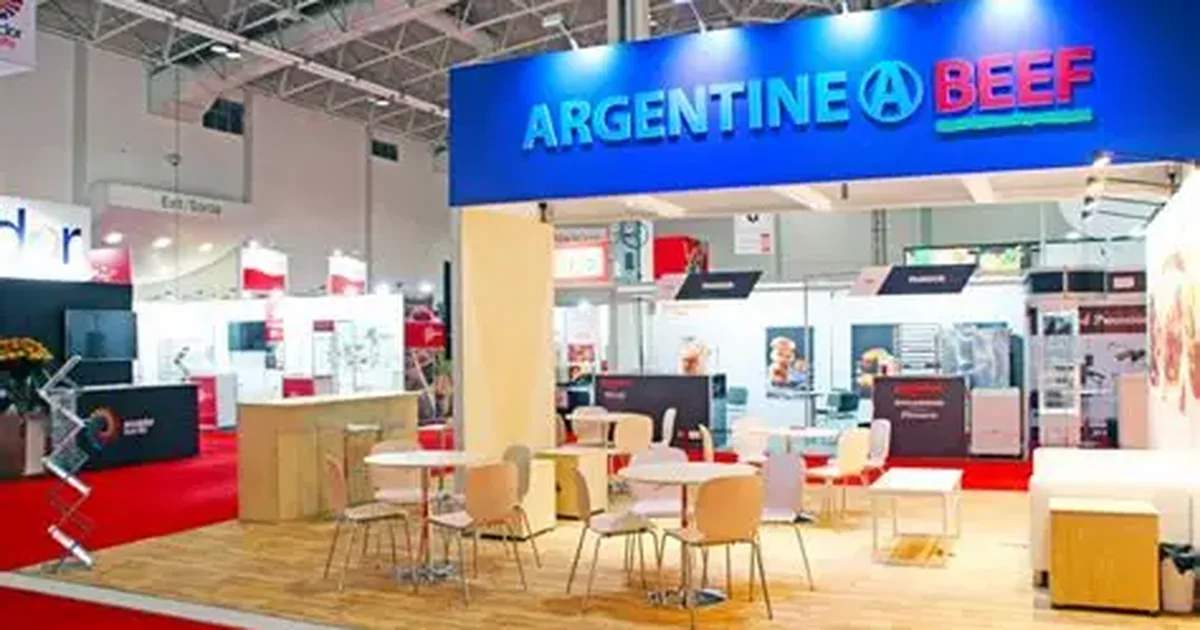
On 6 August, China's Ministry of Commerce confirmed that Argentine beef imports have reached 50% of the safeguard quota. Once the full 511,000 tonnes is used, a 55% tariff applies automatically — three days later. For exporters, the signal is clear: the window is narrowing, and speed now matters more than price.
Argentine Beef Safeguard Quota at 50%: What Exporters Must Do Before the 55% Tariff Hits
What We Saw
The announcement was straightforward. Argentine beef imports have crossed the halfway mark of the safeguard quota. The mechanism is equally simple: when the 511,000-tonne threshold is reached, a safeguard tariff of 55% kicks in on all additional shipments. No grace period. No negotiation. The tariff is triggered automatically by import volume.
This is not a theoretical risk. The quota is filling steadily, and the 50% mark means the remaining capacity is now smaller than what has already been used. Every container that clears between now and the trigger date enters at the preferential rate. Every container that arrives after faces a cost increase that fundamentally rewrites the commercial equation.

The three-day window between the quota being exhausted and the tariff taking effect is not a buffer. It is the final exit.
Why This Matters for You
A 55% tariff does not reduce margins. It eliminates them for most commercial contracts. Argentine beef becomes significantly more expensive overnight, and Chinese importers — already operating on thin margins — will not absorb that cost. They will switch origins.
Brazil, Australia, and the United States are all active suppliers to the Chinese beef market. They stand ready to capture the volume that Argentine exporters can no longer price competitively. Importers who have built their supply chains around Argentine beef will not wait. They will reallocate purchases to whichever origin offers the best landed cost the day the tariff triggers.
There is also a transit risk. Beef already on the water when the quota fills will arrive under the higher tariff. That means the cost increase applies to stock that was priced and contracted under the old assumption. Exporters who have not factored this into their shipping schedule are carrying exposure they may not have recognised.
The 50% mark is not a statistic. It is a deadline. And it is approaching faster than many in the trade are acknowledging.
Takeaway
Monitor the quota daily through official channels — not second-hand reports. Accelerate shipments: if containers are ready, move them now, because every day of delay increases the probability of hitting the higher tariff. Communicate proactively with Chinese importers about your shipping timeline so they can plan inventory and pricing. Consider bonded warehousing or re-export strategies as contingency options, though these carry their own costs.

And if China is your only market, this is the moment to diversify — the safeguard mechanism is not going away, and it applies to other agricultural products including dairy, pork, and poultry. The exporters who move first will protect their margins. Those who wait will find the window has closed, and the container arriving three days late will cost 55% more than the one that arrived on time.
Want to stay ahead of regulatory changes affecting food and beverage imports into Asia? Read our guide on GACC Decree 280 and what the rejection data tells us.
About Shanghai Specit Management Consulting Co Ltd
We help food and beverage brands enter and grow in the Chinese and wider Asian markets through trade intelligence, importer identification, and market research.
✉ info@specitconsulting.com
Disclaimer: This article reflects general market observations as of August 2026 and is intended for informational purposes only. It does not constitute legal or commercial advice. Always confirm current quota status and tariff rates with official sources.
Need help navigating your market entry?
We've helped food exporters across 10+ countries enter 13 Asian markets. Get a free initial assessment based on public data — delivered in 3 working days.
Get Your Free AssessmentContinue Reading
▶What CIIE Exhibitors Learn After Their First Year in China
Questions about entering the Asian market?
Chat with us on WhatsApp →