

16th July 2026 | Shanghai, China
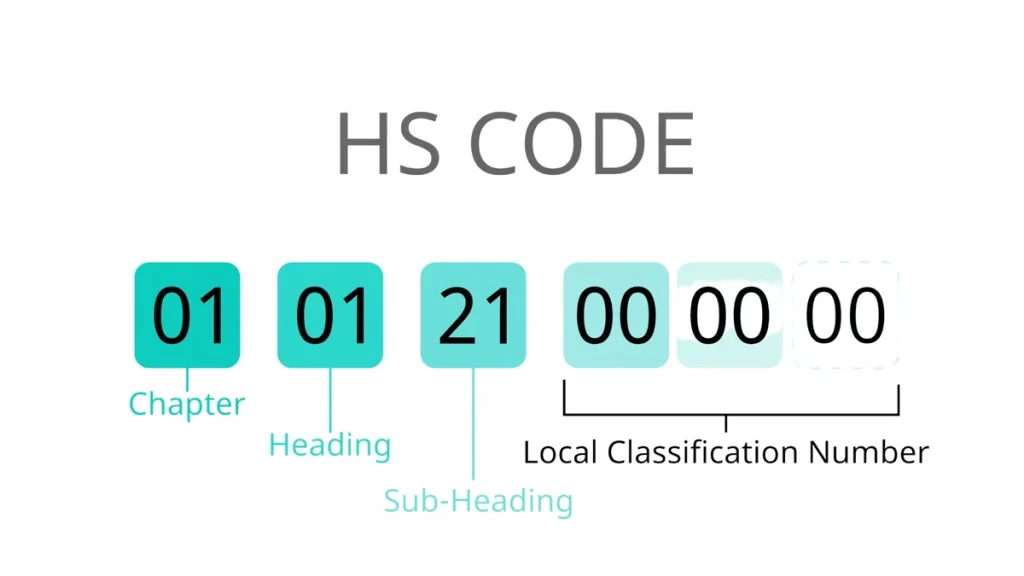
The same product can receive different HS codes in China, South Korea, and Japan because each country adds its own national digits beyond the shared first six, applying different rules on composition, cocoa content, and packaging.
The Exporter's Question
One question we hear often from exporters sounds simple: if a product is sold into the same region, shouldn't the HS code be the same everywhere?
A snack manufacturer recently asked us exactly this. Their product was a cream-filled cereal bar coated in chocolate. They wanted to know the correct HS code for China, South Korea, and Japan — and whether that code should stay the same across all three markets.
The honest answer: partly yes, and partly no.
The Shared Starting Point: The First Six Digits
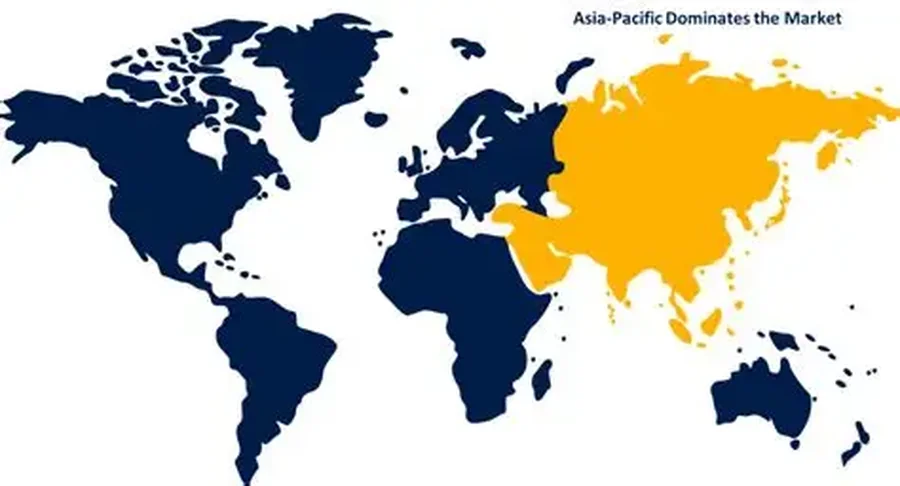
At the global level, the answer is yes. China, South Korea, and Japan are all members of the World Customs Organization, so they share the same Harmonized System framework for the first six digits.
Depending on how the product is made, a snack like this could reasonably fall under:
- HS 1904.20 — cereal-based preparations
- HS 1806.31 — filled chocolate products
- HS 1806.32 — chocolate products, not filled
- HS 1806.90 — other cocoa preparations
But the six-digit code is only the beginning. The real classification work starts at the 8- to 10-digit national level, where each customs authority applies its own rules and interpretations.
How Classification Differs by Market
China: One Clear National Subheading. China Customs usually works toward a single national classification once the product's essential character is decided. In practice, this means judging whether the cereal base or the chocolate coating is the defining feature. Once that decision is made, the product is placed under one specific national subheading.
South Korea: Closer to the Six-Digit Logic Korean Customs often stays relatively close to the six-digit structure. If a product fits a heading such as 1806.31 internationally, the national classification may remain fairly broad, without splitting into many detailed variations.
Japan: More Detailed Product Distinctions Japan Customs tends to classify in finer detail. For coated cereal bars, the code may depend on cocoa content, cream composition, product shape, and retail packaging. Even a small change in the recipe can lead to a different code, with different duty or labelling consequences.
Why This Matters for Exporters
Misclassification at the national level is not a small paperwork problem. It can cause incorrect tariff treatment, customs delays, relabelling, or product review at the border.
While the importer carries the formal legal responsibility, the exporter often feels the commercial impact through delayed listings, missed launch dates, and lower buyer confidence.
Practical Takeaway
The first six digits give you a shared foundation, but they are not the final answer.
- China: confirm the national subheading early, ideally through a formal ruling where appropriate.
- South Korea: check whether the broader category is enough, or whether more product detail is needed.
- Japan: never assume similarity means consistency — review the code against your exact formulation and packaging.
In these markets, successful entry often depends not on the first six digits, but on the last four.
Six digits connect you. The last four can disconnect you.
Planning to enter multiple Asian markets? Read our marketing insights for the target market entering
Shanghai Specit Management Consulting Co Ltd | Services | Contact Us
Email: info@specitconsulting.com
Disclaimer: This article is for general guidance only. HS classification depends on the exact product formulation, composition, and presentation, and rules change over time. Always confirm the correct classification with the relevant customs authority or a licensed customs broker before shipping.
Need help navigating your market entry?
We've helped food exporters across 10+ countries enter 13 Asian markets. Get a free initial assessment based on public data — delivered in 3 working days.
Get Your Free AssessmentContinue Reading
▶What CIIE Exhibitors Learn After Their First Year in China
Questions about entering the Asian market?
Chat with us on WhatsApp →