

14 August | Shanghai China
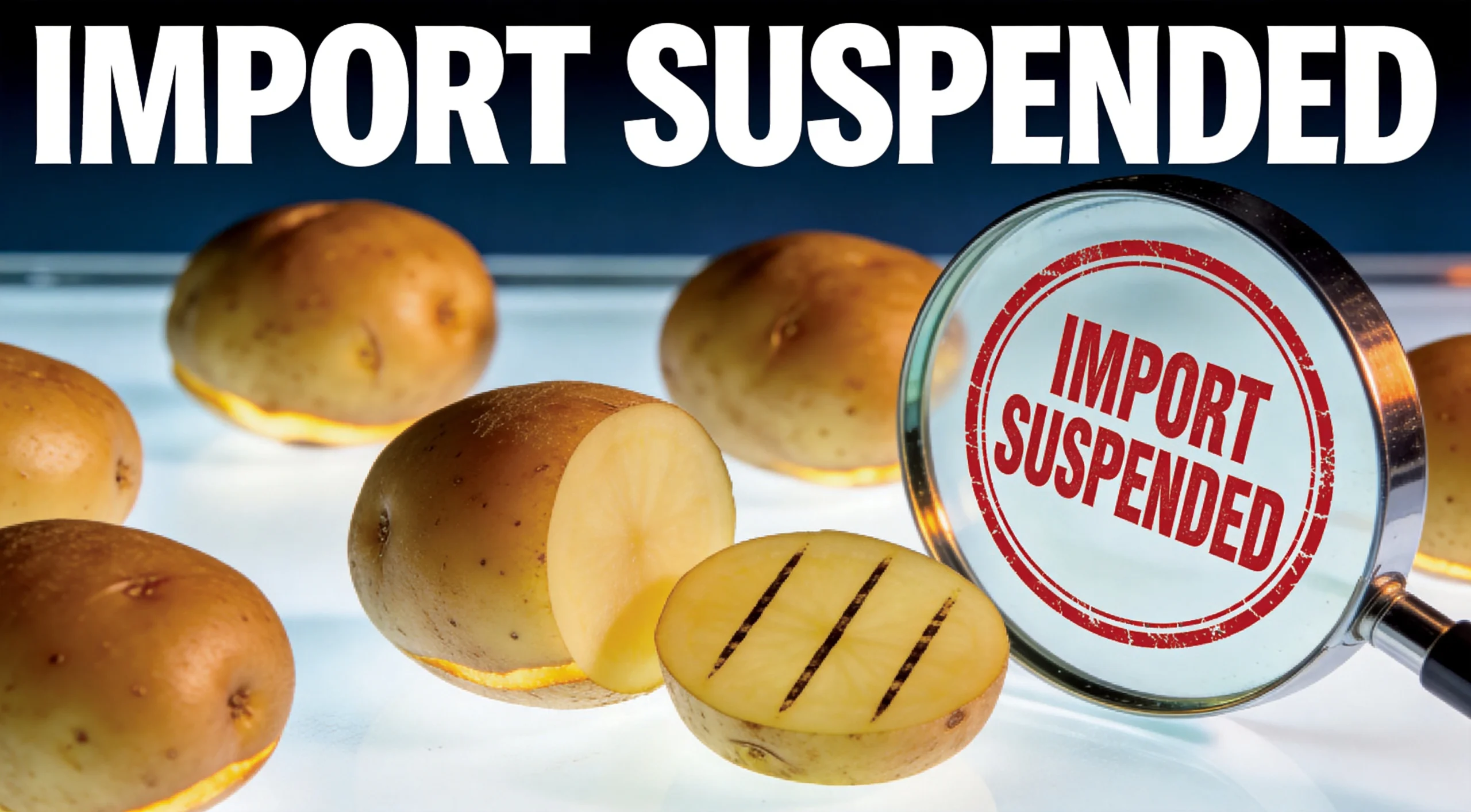
Effective 1 August 2026, China has suspended import approvals for seed potatoes from countries affected by Candidatus Liberibacter solanacearum (CLso) — a quarantine bacterium linked to zebra chip disease. The measure follows repeated detections in imported seed consignments, including from Italy and South Korea.
What We Saw
The suspension, jointly issued by the General Administration of Customs of China (GACC) and the Ministry of Agriculture and Rural Affairs (MARA) under Announcement No. 72 of 2026, applies to over 30 countries and territories where CLso has been officially reported. The affected list spans five regions:
- North America: United States, Canada, Mexico
- Europe: UK, France, Germany, Italy, Spain, Finland, Sweden, Austria, Belgium, Czech Republic, Estonia, Greece, Norway, Portugal, Serbia
- Middle East & North Africa: Israel, Türkiye, Morocco, Tunisia
- Latin America: Ecuador, Peru, Guatemala, Honduras, El Salvador, Nicaragua
- Asia-Pacific: South Korea, New Zealand, Australia's Norfolk Island
Chinese authorities have stated the list is not static — it will be updated as new outbreaks are reported or additional interceptions occur at Chinese ports. (Full list: see GACC Announcement No. 72 of 2026.)
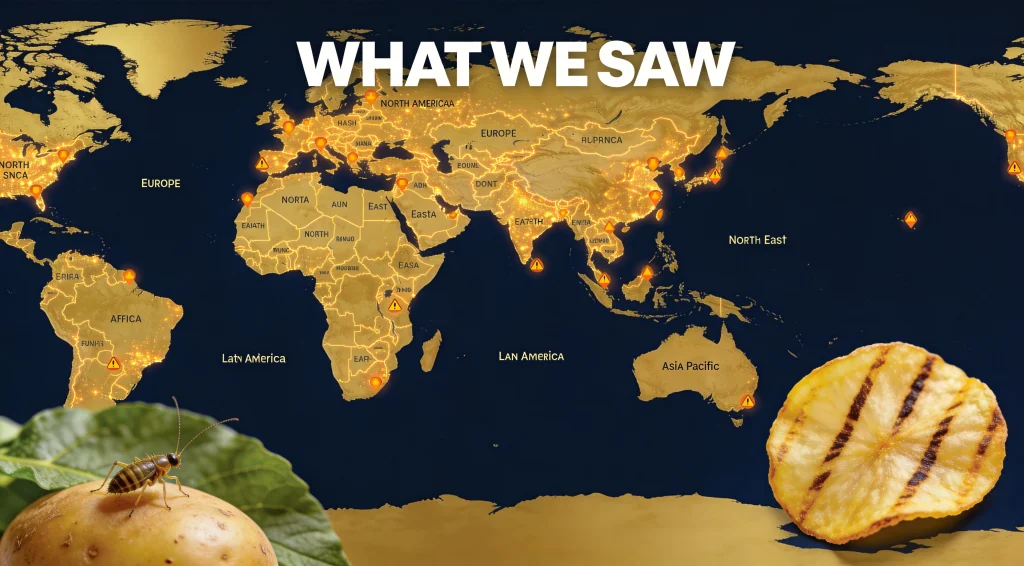
CLso is a phloem-limited bacterium that infects Solanaceae and Apiaceae crops, including potatoes, tomatoes, peppers, carrots, celery, parsley, and coriander.
In potatoes, CLso is closely associated with zebra chip disease. Infected plants show stunted growth and leaf yellowing. More critically, infected tubers develop dark stripes when fried, making them unsuitable for chips and other processed potato products — a serious concern for the global processing industry.
The bacterium is primarily transmitted by psyllid insects, but infected planting material, especially seed potatoes, is considered a high-risk pathway for introducing the pathogen into new production areas.
For seed potato exporters from affected countries, no new import approvals will be issued, effective 1 August 2026.
Different Rules for Vegetable Seeds
Imports of tomato, pepper, carrot, celery, parsley, and coriander seeds from Italy and South Korea have also been suspended. However, trade may resume if the exporting country's NPPO can demonstrate that planting materials originate from officially recognised CLso-free areas.
For other affected countries, imports may continue provided planting materials are tested before export using the PCR method specified in ISPM 27 Diagnostic Protocol DP21, and the phytosanitary certificate includes the required declaration.
Phytosanitary declarations (exact wording required by China):
For consignments from Italy and South Korea:
"This consignment of plants for planting originates from an area free of Candidatus Liberibacter solanacearum and has been tested before export, and is found free of Candidatus Liberibacter solanacearum."
For consignments from other affected countries:
"This consignment of plants for planting has been tested before export and is found free of Candidatus Liberibacter solanacearum."
Why This Matters for You
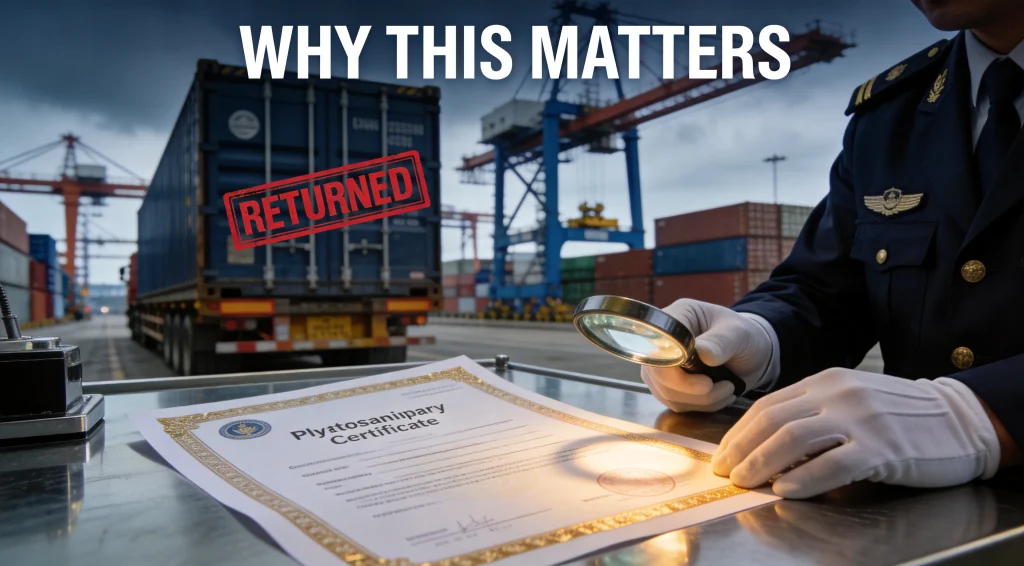
Non-compliance has direct operational consequences. Chinese Customs will review all phytosanitary certificates and conduct quarantine inspections upon arrival. Shipments with non-compliant documentation or those testing positive for CLso will be returned or destroyed. Agricultural authorities will also strengthen post-entry quarantine growing trials and surveillance of imported planting materials.
The breadth of the suspension is notable, but so is the signal it sends: China notified the measures to the WTO on 4 June 2026 under reference G/SPS/N/CHN/1387. The move reflects a tightening approach to plant biosecurity and a clear willingness to act decisively to protect domestic agriculture.
Exporters who have previously moved seed potatoes and vegetable seeds into China without friction now face a much tighter compliance environment. For seed potato exporters from the 30+ affected countries, the suspension is already in effect — there is no adjustment period.
Takeaway
Verify your origin first. If your country is on the suspended list, seed potato shipments are already stopped — no new approvals will be issued.
For vegetable seeds, confirm whether your product falls under the Italy/South Korea suspension or the testing pathway for other affected countries.
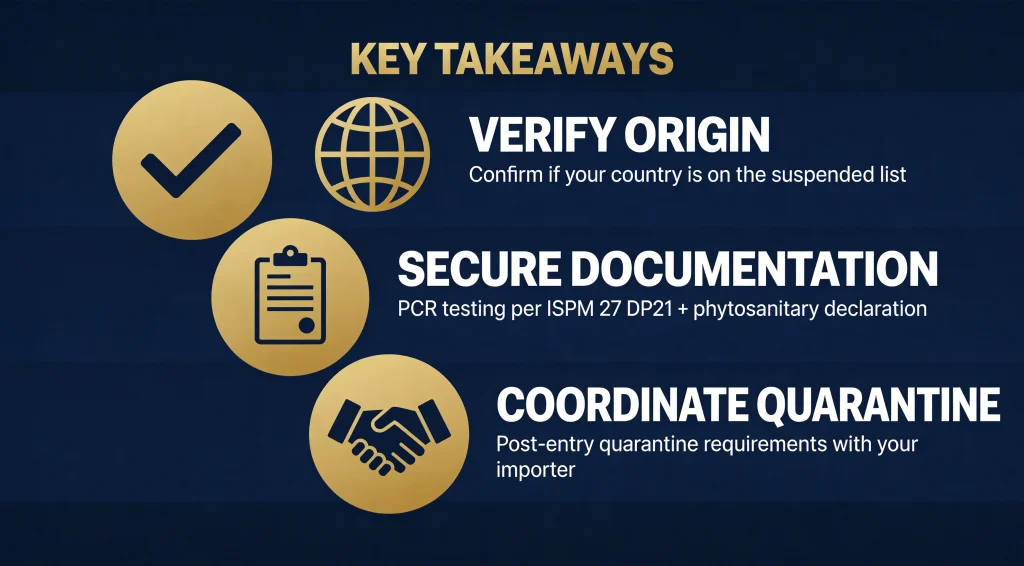
Secure your documentation before shipment: the phytosanitary certificate must include the required declaration (see exact wording above), and testing must follow the PCR method specified in ISPM 27 DP21. Coordinate with your importer on post-entry quarantine requirements.
Exporters who verify origin, confirm testing protocols, and double-check certificates now will maintain access. Those who assume nothing has changed may not.
While China tightens plant biosecurity, import compliance across Asia is shifting on multiple fronts. Read our guide on GACC Decree 280 and what the rejection data tells us.
FAQ
Which countries are affected by China's seed potato import suspension?
Over 30 countries across five regions — North America, Europe, Middle East & North Africa, Latin America, and Asia-Pacific — where CLso has been officially reported. The list includes the US, Canada, UK, France, Germany, Italy, South Korea, New Zealand, and others. See GACC Announcement No. 72 of 2026 for the full list.
What is the difference between the rules for seed potatoes and vegetable seeds?
Seed potato imports from all affected countries are fully suspended — no new approvals. Vegetable seeds (tomato, pepper, carrot, etc.) from Italy and South Korea are also suspended but may resume if NPPO demonstrates CLso-free origin. From other affected countries, vegetable seeds may continue with PCR testing and the required phytosanitary declaration.
What testing standard is required for vegetable seed exports to China?
Testing must use the PCR diagnostic method specified in ISPM 27 Diagnostic Protocol DP21 for Candidatus Liberibacter solanacearum. The phytosanitary certificate must include the corresponding declaration.
About Shanghai Specit Management Consulting Co Ltd
We help food and beverage brands enter and grow in the Chinese and wider Asian markets through trade intelligence, importer identification, and market research.
Related Reading:
- GACC Decree 280: Two-Month Reexport Rule Explained — what rejection data tells us about enforcement trends
- GACC Facility Registration Timeline for Food Exporters — registration steps before you can ship
- GACC Registration Timeline: What Changes After Approval — post-approval compliance obligations
Disclaimer: This article reflects general market observations and regulatory understanding as of August 2026. It does not constitute legal or regulatory advice. Always confirm current requirements with the relevant authority or a qualified regulatory consultant.
Need help navigating your market entry?
We've helped food exporters across 10+ countries enter 13 Asian markets. Get a free initial assessment based on public data — delivered in 3 working days.
Get Your Free AssessmentContinue Reading
▶What CIIE Exhibitors Learn After Their First Year in China
Questions about entering the Asian market?
Chat with us on WhatsApp →