


8 August 2026 | Shanghai, China
Booking meetings during an Asian trade expo is routine — every exporter does it. The real differentiators are couriering samples to key prospects before the show, and staying two or three days afterwards to visit those prospects in their own offices.
Your Expo Trip Starts Before the Flight: How to Make Every Day Count
Too many exporters fly into Asia for an expo with marketing materials and hope. The ones who return with real leads treat the expo as a midpoint in a process — not the starting line.
What We Saw
Every year we see the same pattern at trade expos across Asia. Exporters arrive with boxes of flyers, brochures neatly stacked, bottles polished, and booth staff ready. They do the show. They collect name cards. They fly home.
Then the follow-up emails go out, and the response rate is dishearteningly low. The trip was expensive. The leads are cold. The ROI is questioned until next year's budget cycle, when the same thing happens again.
Almost all of these exporters booked meetings during the show. That is not the difference.
Scheduling appointments across the three days of an expo is standard practice — the organiser's matchmaking system exists for exactly that, and most exhibitors use it. It is the baseline, not the advantage. If your entire plan is a booth and a diary of on-site meetings, you are doing what everyone else in the hall is doing.
The smaller group who extract real value does something else. Their expo does not begin when the doors open, and it does not end when the booth is packed down.

Before the flight, they courier samples to their most promising prospects. This is the single most underused tactic in Asian trade shows. They research which importers and distributors are likely to attend, obtain the buyer list where the organiser makes one available, and send a short, specific note explaining why a meeting would be worthwhile — not a mass email. Then they ship product ahead, so the buyer can taste it before walking onto the floor.
During the show, they simply execute the meetings they have already arranged. Nothing unusual happens here. The booth is a meeting point, not a lead-generation machine.
After the show, the real work begins. They do not head straight to the airport. They stay an extra two or three days and visit the offices of the prospects they met — samples in hand — continuing the conversation in the buyer's own environment. They see the warehouse, understand the portfolio, and get a read on how the importer actually operates that no booth conversation can provide.
The cost of extending a trip by a few days is marginal against the total expense of flying to Asia. The return on those days is disproportionately high.
Why This Matters for You
An expo is a concentration of opportunity — but the concentration is the easy part. Everyone in that hall has the same three days and the same appointment system. The competitive advantage sits in the two windows nobody else is using.
Samples sent in advance change the nature of the meeting. The buyer arrives at your booth not to discover your product, but to discuss it — having already formed an opinion. That conversation is deeper, faster, and far more likely to lead to a next step than a first taste squeezed between two other appointments.
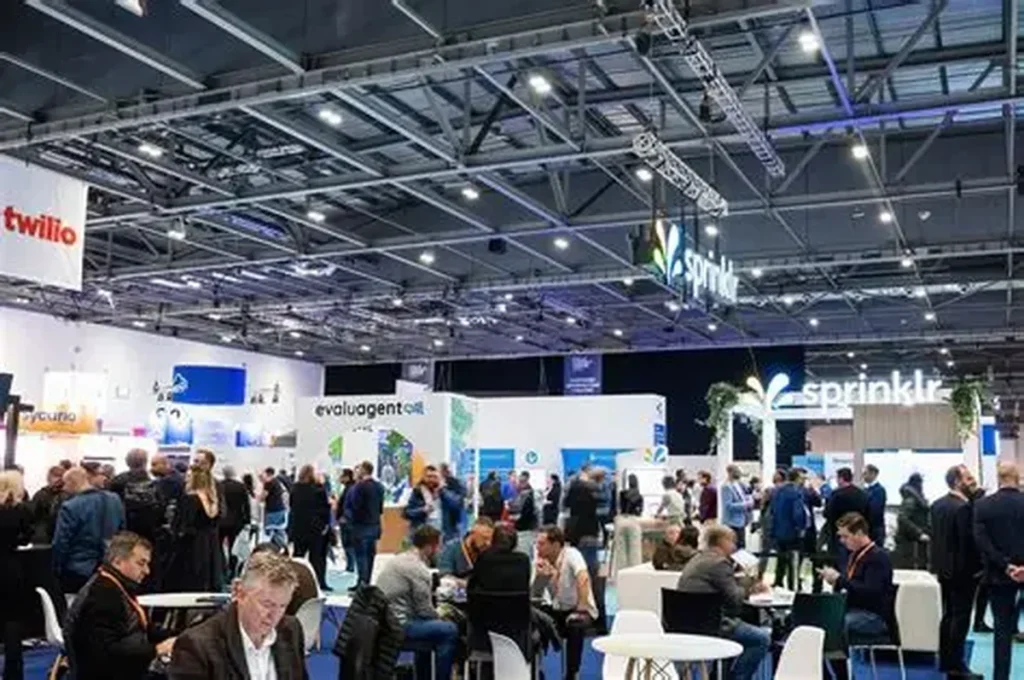
Office visits afterwards change the nature of the relationship. They signal commitment. They tell the buyer you did not come to Asia for a trade show — you came for the market. That distinction matters in cultures where business moves at the speed of trust, and it is a conversation your competitors, already on their flight home, are not having.
Takeaway
Booking meetings at the show is table stakes. Assume every serious competitor in the hall has done the same.
Your advantage is on either side of it: courier samples to your best prospects before you board the plane, and book your return flight two or three days after the expo closes so you can visit those prospects with product in hand.

The expo is not the point of the trip. It is the midpoint. The work before and after is what turns a booth into a business.
Still deciding whether to exhibit? Read our comparison of exhibiting versus visiting at CIIE.
Preparing to approach importers in Asia? Read our guide on what you need to prepare before asking for an introduction.
About Shanghai Specit Management Consulting Co Ltd
We help food and beverage brands enter and grow in the Chinese and wider Asian markets through trade intelligence, importer identification, and market research.
Disclaimer: This article reflects general market observations and is intended for informational purposes only.
Need help navigating your market entry?
We've helped food exporters across 10+ countries enter 13 Asian markets. Get a free initial assessment based on public data — delivered in 3 working days.
Get Your Free AssessmentContinue Reading
▶What CIIE Exhibitors Learn After Their First Year in China
Questions about entering the Asian market?
Chat with us on WhatsApp →