

5 August 2026 | Shanghai, China
Analogue cheese — where milk fat or protein is partly replaced with vegetable oil or plant protein — is expanding across Asian foodservice because melt performance and cost per kilo decide the sale. It cannot legally be called cheese in the EU, and falls under a lower designation tier in China.
The Cheapest Cheese in Asia Contains Almost No Cheese
What We Saw
Across Asian foodservice, a quiet substitution is under way. In pizza kitchens, bakeries, dessert chains, and ready-meal plants, a growing share of what melts on the plate is not cheese in the regulatory sense at all.
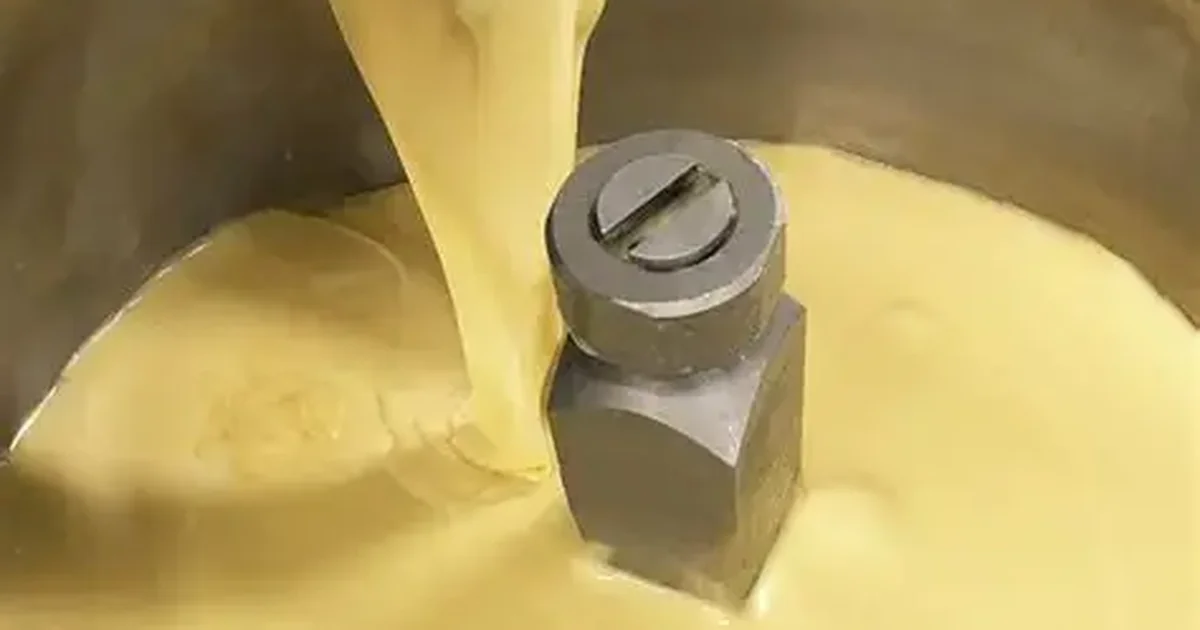
The products are variously described as analogue cheese, imitation cheese, filled cheese, or cheese alternatives. The most common formulation retains milk protein but replaces butterfat with vegetable oil — typically palm, coconut, or soybean. Some versions go further and substitute part of the protein as well.
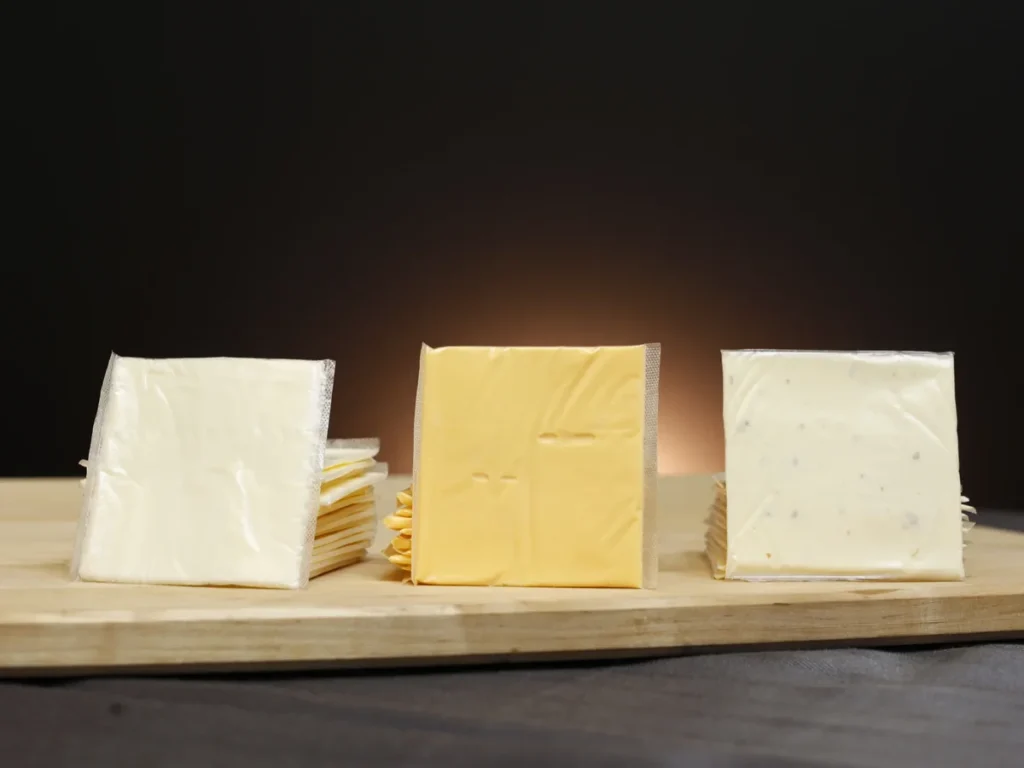
One point deserves emphasis, because exporters often get it wrong: the ratios vary widely. They differ between factories, and frequently between production runs at the same factory, because the recipe follows whichever fat is cheapest that quarter. A supplier's product this year may not be the product you approved last year.
Production is also relocating. Lower-cost manufacturing bases with preferential trade access — North Africa serving European brands is one example — make the economics significantly more attractive than EU-based production.
Why This Matters for You
Start with where cheese actually grows in Asia. It is not the cheese counter. Our own shelf audit in Shanghai found that imported cheese had been reduced to a single format, with no promotion, no tasting, and no staff guidance — while roughly 85% of facings were domestic brands or locally contract-manufactured labels.
Growth is happening somewhere else entirely: mozzarella on pizza, cream cheese in milk tea foam, cheese tarts, cheese-pull street food. In every one of those applications, the consumer never evaluates the cheese as cheese. They notice stretch, melt, and price.
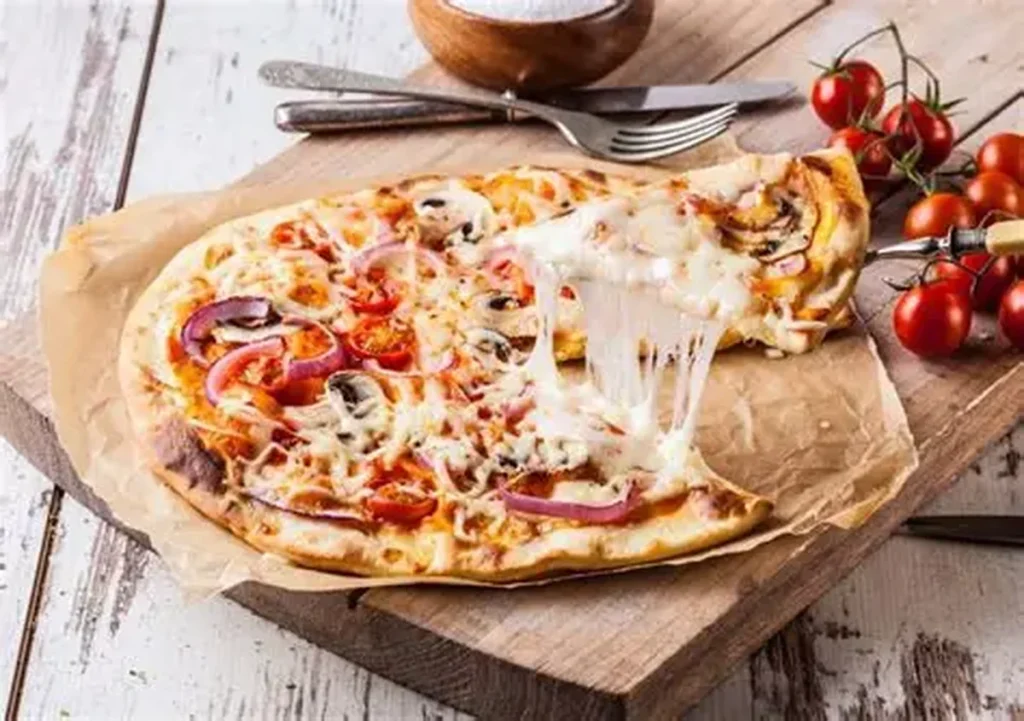
That is precisely the ground on which analogue products compete well. They often melt more predictably than real mozzarella, they carry no lactose concerns, and they undercut dairy on cost — sometimes substantially.
The naming rules, however, are strict. In the EU, "cheese" is a protected designation: a product containing non-milk fat or protein must be sold as an analogue or alternative, not as cheese. China operates its own tiered system, distinguishing genuine cheese (干酪, gānlào) from processed cheese (再制干酪, zàizhì gānlào) and lower-tier cheese products (干酪制品, gānlào zhìpǐn), each with its own compositional requirements. A significantly substituted product will not qualify for the top tier, and the declaration must reflect that.
This is not a technicality. Non-compliant labels on imported food in China are typically returned or destroyed — there is no relabel-and-resubmit option at the port.
There is also a positioning risk. A company selling both genuine specialty cheese and an analogue line needs to keep those identities firmly separate. Blurring them dilutes the premium proposition and, in a market increasingly sensitive to authenticity claims, invites reputational damage that no cost saving covers.
Takeaway
Analogue cheese is not competing with imported specialty cheese. It is competing with industrial mozzarella — and in foodservice applications where melt and price decide the purchase, it competes well.
For exporters, three practical conclusions follow.
First, request the product specification sheet before ordering and re-verify it periodically, as formulations shift with ingredient costs.
Second, confirm the correct designation tier in the destination market before printing a single label.
Third, decide honestly which business you are in — functional ingredient supply, or premium specialty cheese. They require different pricing, different partners, and different patience.
The cheapest cheese in Asia will keep getting cheaper. Competing with it on price is not a strategy for anyone shipping real dairy from Europe.
The cheapest cheese in Asia will keep getting cheaper. Competing with it on price is not a strategy for anyone shipping real dairy from Europe.
Interested in Asia's cheese market? Read our shelf study on where the cheese market is heading.
About Shanghai Specit Management Consulting Co Ltd
We help food and beverage brands enter and grow in the Chinese and wider Asian markets through trade intelligence, importer identification, and market research.
Disclaimer: This article reflects general market observations and is intended for informational purposes only. Compositional standards and designation requirements vary by market and are subject to revision. Always confirm current requirements with the relevant authority or a qualified regulatory consultant before labelling or importing.
Need help navigating your market entry?
We've helped food exporters across 10+ countries enter 13 Asian markets. Get a free initial assessment based on public data — delivered in 3 working days.
Get Your Free AssessmentContinue Reading
▶What CIIE Exhibitors Learn After Their First Year in China
Questions about entering the Asian market?
Chat with us on WhatsApp →