

20 July 2026 | Shanghai, China
EU imported cheese in China is being squeezed by anti-subsidy tariffs, fast-scaling domestic producers, and limited consumer demand — pushing it from the mass market into a narrow premium niche.
Note: This covers fresh, soft, semi-hard, hard, and blue cheese — processed cheese is excluded.
What We Saw on the Shelf
We walked through the Hema store at Zhongshan Park in Shanghai and scanned the imported cheese fixture systematically. The picture was telling.
Prices sat in a narrow band — CNY 29.90 to 34.90 per pack (100–125g). But roughly 85% of facings were domestic brands or overseas labels made under local contract manufacturing. Genuine imported cheese held only a small, shrinking share.
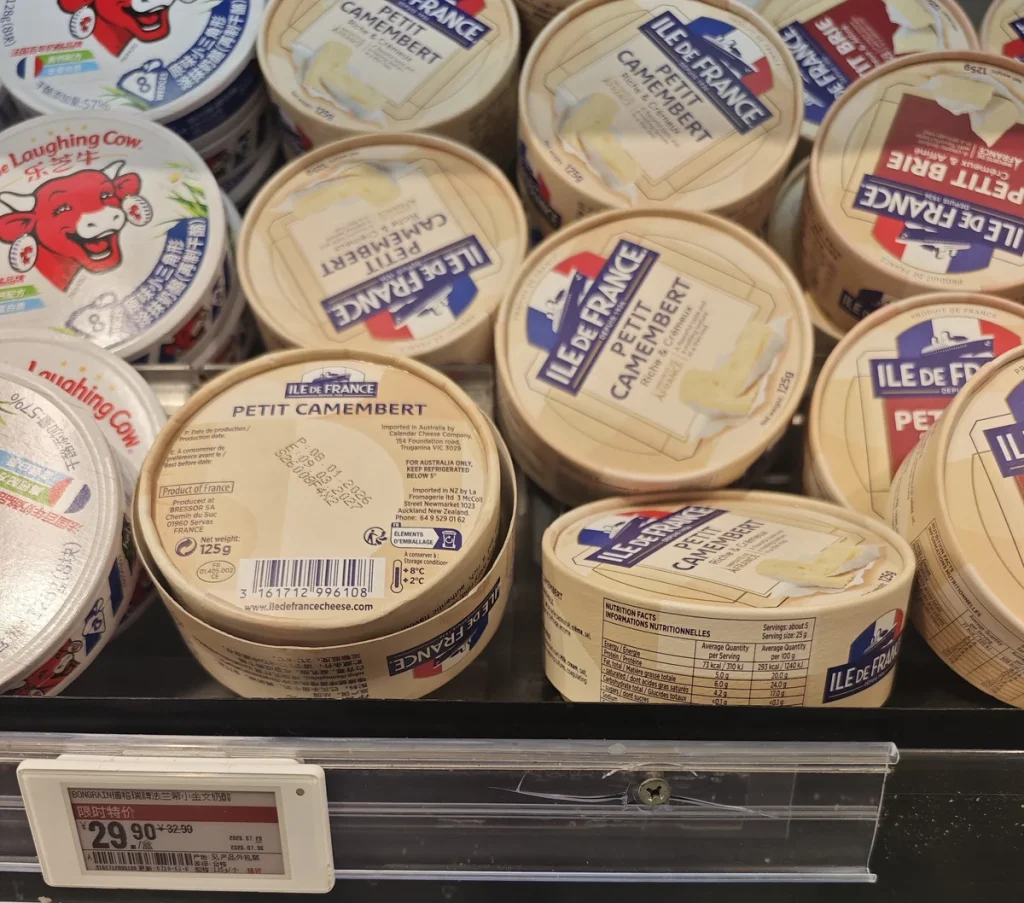
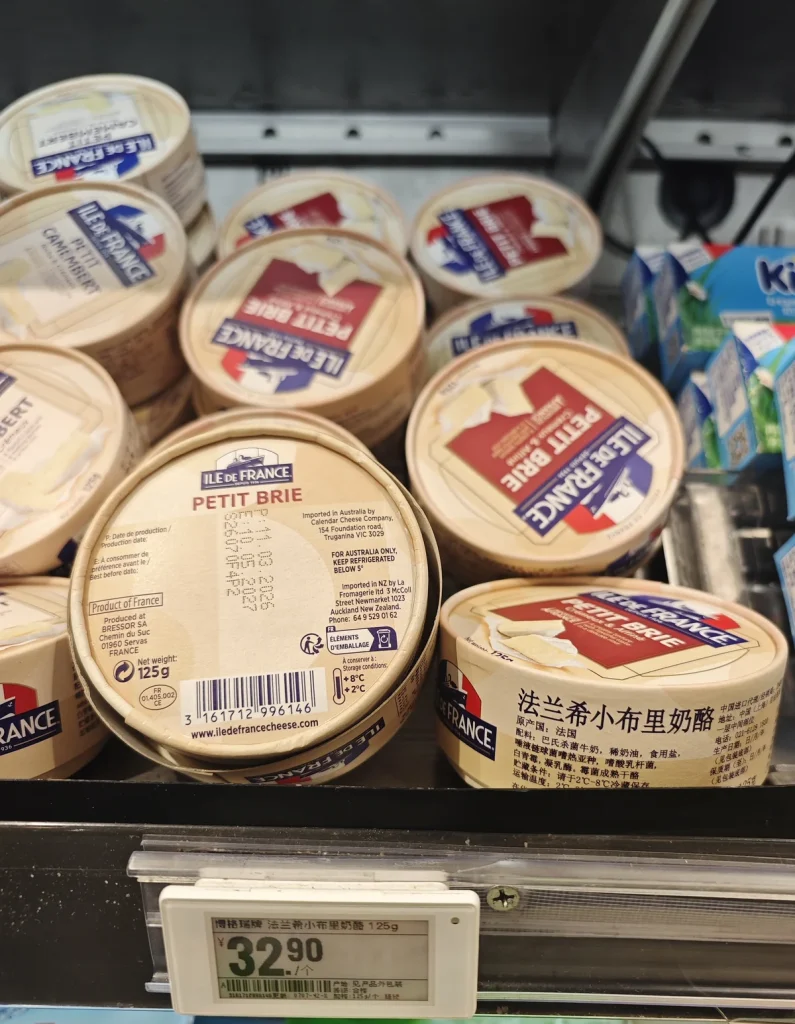
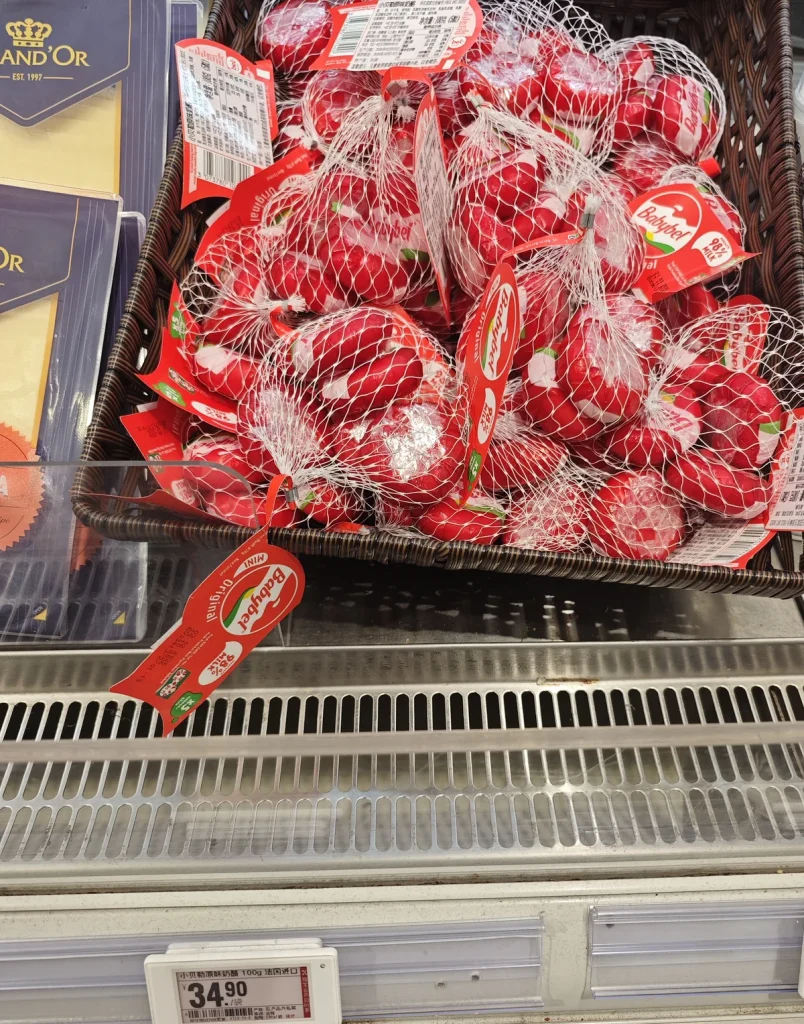
The value gap was obvious: locally authorised production offered 200g for CNY 33.90 — nearly double the volume for the same price.
Most striking was the range. Only soft cheese remained. Fresh cheese had largely moved to local production, while semi-hard, hard, and blue cheeses were pulled entirely. Even long-shelf-life hard cheese was delisted — a sign this is a demand problem, not a logistics one.
There was also no promotion, no tasting, no staff guidance, no bundles, and no point-of-sale material. Imported cheese was kept off the prime eye-level zone. The shelf was tidy, but silent.
Why This Matters
This single shelf reflects deeper structural pressure, and the same forces are reshaping foodservice channels even faster.
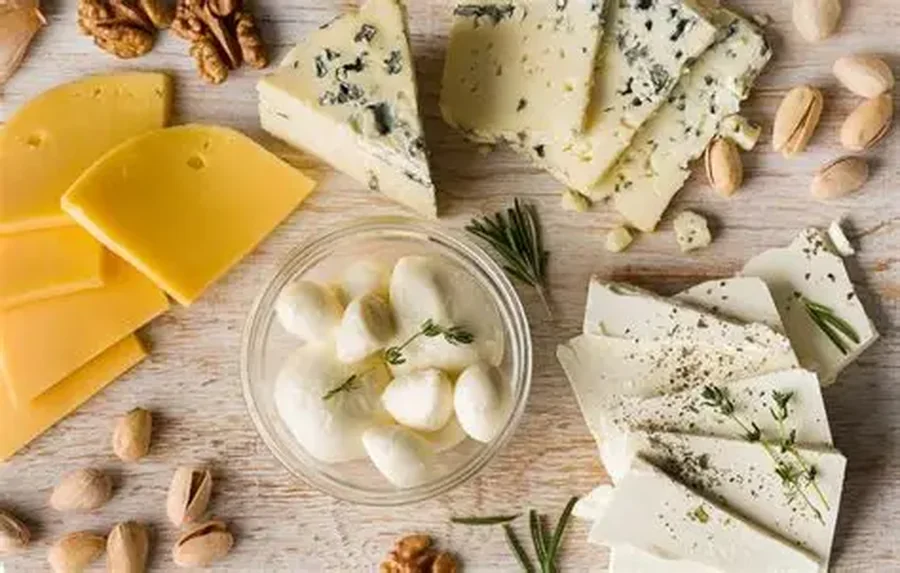
Policy barriers are biting. The Ministry of Commerce's anti-subsidy investigation into EU dairy has introduced temporary tariffs, weakening European cheese in price. Foodservice buyers are shifting toward domestic or New Zealand sources.
Domestic substitution is accelerating. Milkground, Milkana, Yili, and Mengniu now produce natural mozzarella at scale for bakeries and pizza chains. Milkground alone holds over 30% of retail share, breaking the former hold of high-end imported cheese.
Consumer adoption stays limited. The majority of cheese sales are still children's cheese sticks. Adult consumption is mostly confined to Western dishes and baking, with little everyday home use.
Takeaway
In the short term, high-end EU cheese will retreat further into premium niches, while the mass market consolidates around New Zealand's zero-tariff products and cost-competitive domestic cheese.
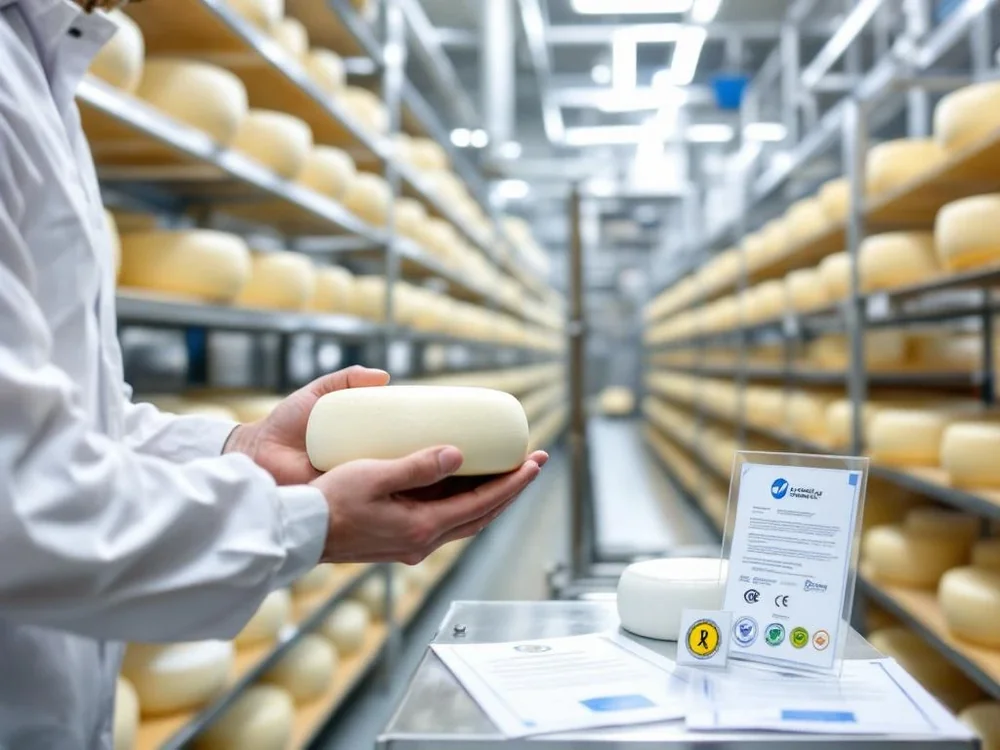
Long-term, the industry is shifting from an import-led model to a dual-track structure. Snack-format cheese will be dominated by domestic brands, and B2B industrial ingredients are being rapidly localised. Imported cheese will increasingly serve narrow segments demanding high maturation, AOP certification, and distinctive flavour — no longer the primary supplier for basic needs.
Tracking China's dairy and cheese market? Read our guide on entering Asia.
About Shanghai Specit Management Consulting Co Ltd
We help food and beverage brands enter and grow in the Chinese and wider Asian markets through trade intelligence, importer identification, and market research.
Disclaimer: This article reflects general market observations and is intended for informational purposes only. It does not constitute legal or regulatory advice.
Need help navigating your market entry?
We've helped food exporters across 10+ countries enter 13 Asian markets. Get a free initial assessment based on public data — delivered in 3 working days.
Get Your Free AssessmentContinue Reading
▶What CIIE Exhibitors Learn After Their First Year in China
Questions about entering the Asian market?
Chat with us on WhatsApp →