

12th July 2026 | Shanghai, China
Why Small-Pack Alcohol Beverage Formats Are Gaining Strong Consumer Preference in Asia.
A visit to a 24-hour FamilyMart on Huaihai Road reveals a clear market signal: small-format alcohol dominates consumer attention. Eye-level shelves are filled with compact products such as 50ml baijiu shooters, 100ml canned highballs, 187ml mini red wine, 200ml flavored soju, and 330ml craft beer.
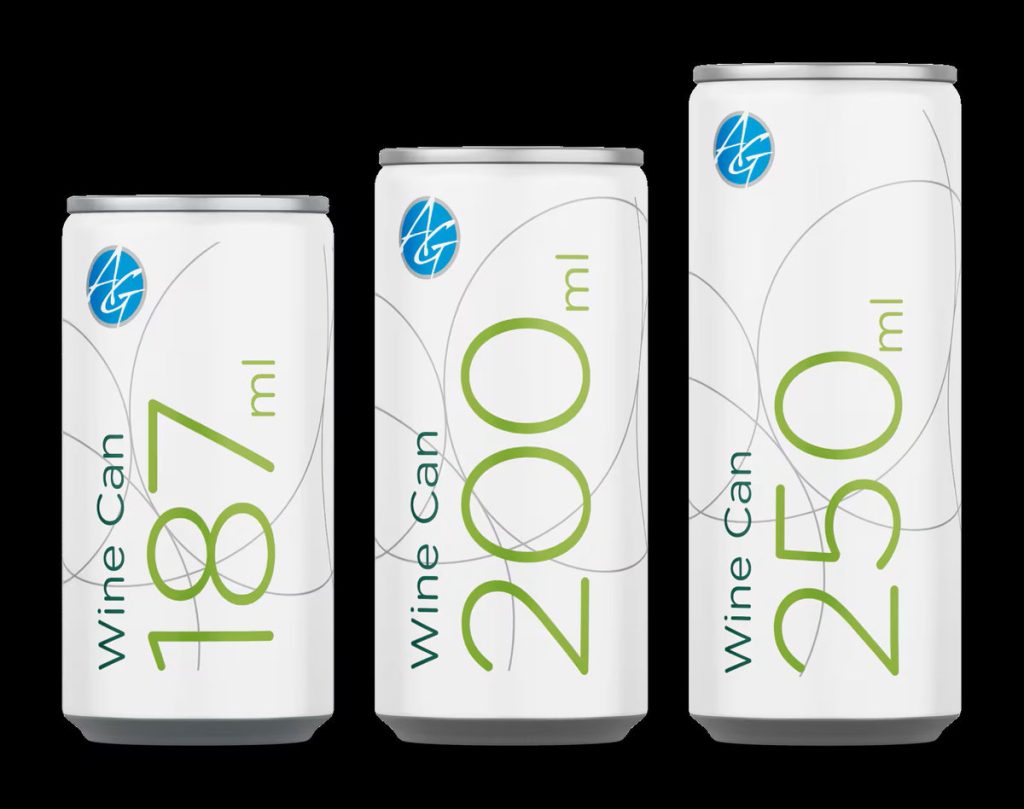
The pricing pattern is equally revealing. A 350ml canned highball sells for ¥16.8/USD2.49, a 50ml blended scotch for ¥19/USD2.81, an 187ml red wine for ¥25,/USD3.70 and a 200ml flavored soju for ¥15/USD2.22.Even though larger bottles often offer better value per milliliter, consumers continue to choose smaller packs.
Store staff reports that the main buyers are typically urban consumers aged 22–35, often female, who shop alone and value immediate consumption, portion control, and product variety. According to the shop assistant, “A big bottle feels like a commitment. If I do not like it, I have wasted money. With a 100ml can, I can finish it and try something different tomorrow.”

This behavior highlights an important commercial reality: small-pack alcohol is not driven primarily by price per unit. Instead, it reflects consumer priorities such as mental ease, taste exploration, convenience, and solo drinking rituals.
For exporters, this means that success in Asian alcohol markets depends on understanding consumer mindsets rather than relying solely on traditional volume-based selling strategies. Instead of leading with large-format bottles, brands may gain faster acceptance by using small packs as a trial format. A 50ml or 100ml pack can reduce purchase hesitation, encourage first-time trials, and build trust before consumers move to larger sizes.
For exporters targeting Asia, the key takeaway is clear: do not fight the small-pack preference. Work with it. Small formats can serve as an entry point for brand discovery, repeat purchase, and long-term market expansion.

Need help navigating your market entry?
We've helped food exporters across 10+ countries enter 13 Asian markets. Get a free initial assessment based on public data — delivered in 3 working days.
Get Your Free AssessmentContinue Reading
▶What CIIE Exhibitors Learn After Their First Year in China
Questions about entering the Asian market?
Chat with us on WhatsApp →